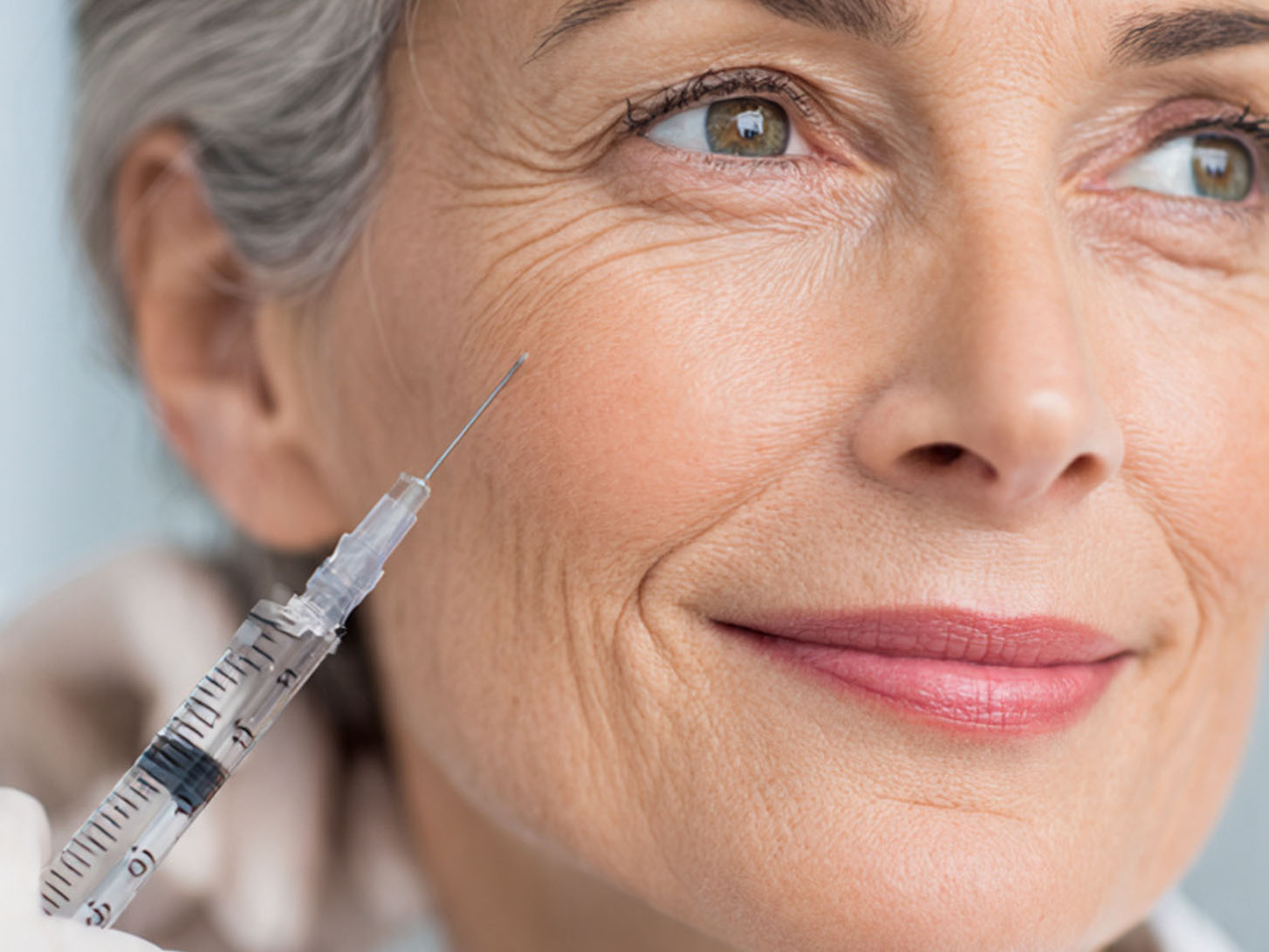

While millions receive Botox and Dysport treatments each year, many patients don’t understand how these neuromodulators actually work. At Re-Medispa, we believe educated patients make better decisions and have realistic expectations about their treatments.
These injectable treatments reduce wrinkles through complex interactions at the cellular level, targeting the neuromuscular junction where nerves communicate with muscles. Understanding this process explains how treatments work, why they take time to show results, and what factors influence their effectiveness.
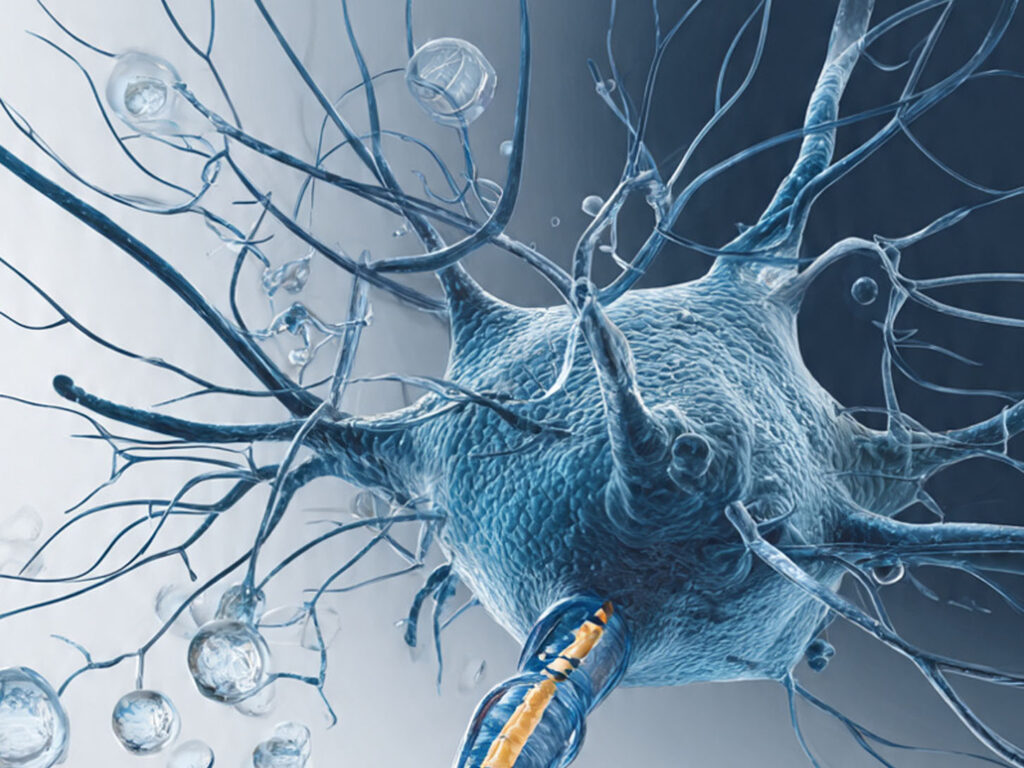
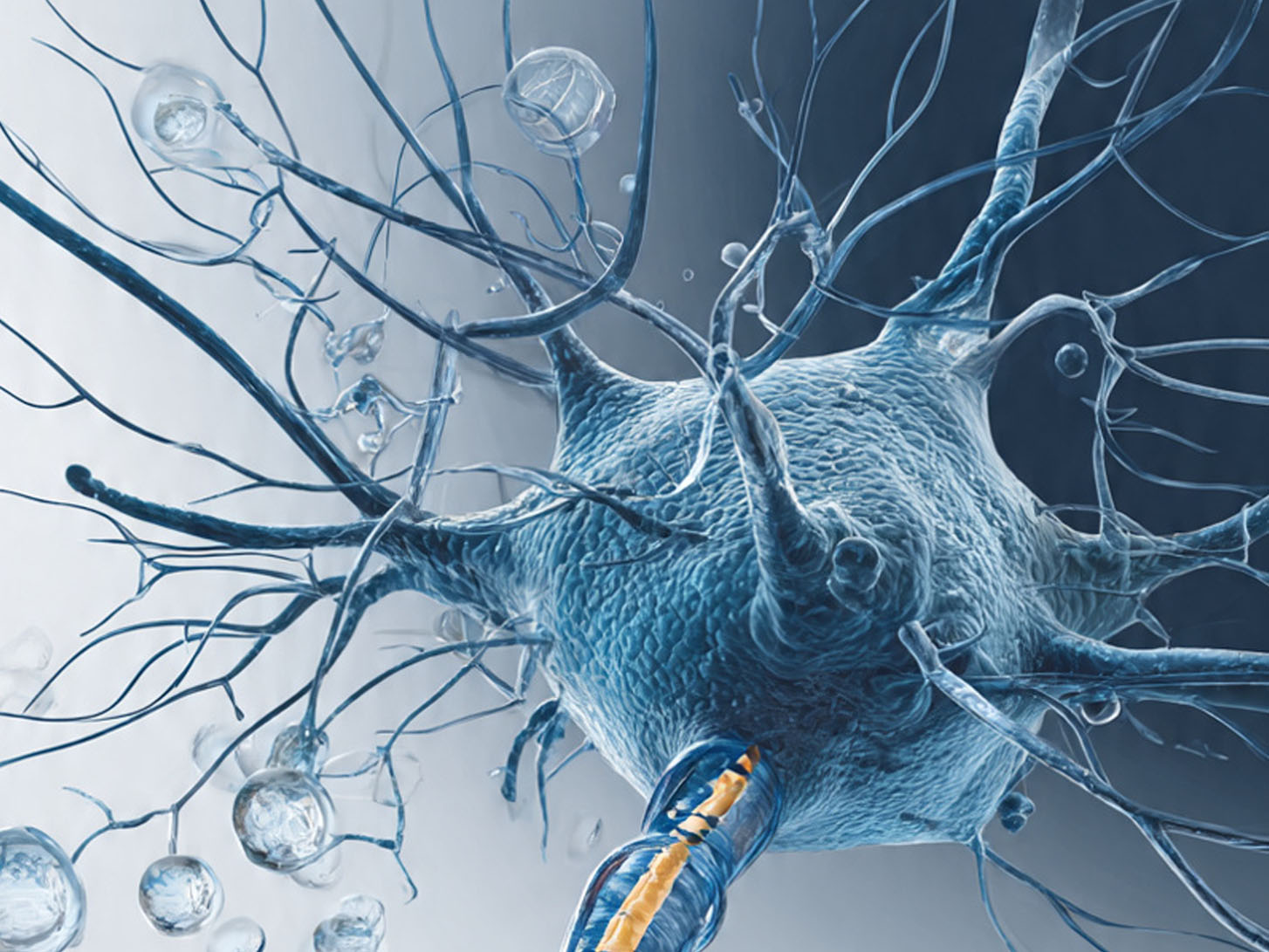
Neuromuscular Junction Mechanism Explained
To understand how Botox and Dysport work, we need to examine what happens where nerves meet muscles.
Normal Nerve-Muscle Communication
The Process:
- Your brain sends electrical signals through motor neurons to facial muscles
- Signals travel to the neuromuscular junction where nerve meets muscle
- When signals reach the nerve terminal, they trigger acetylcholine release
- This chemical messenger crosses to the muscle, causing contraction
Key Proteins:
- SNARE proteins enable neurotransmitter release
- SNAP-25 protein is essential for acetylcholine release
- These proteins must work together for normal muscle contraction
- The process happens in milliseconds with precise coordination
How Neuromodulators Work
Targeted Interruption:
- Botox and Dysport contain purified botulinum toxin type A
- This protein specifically targets and cleaves the SNAP-25 protein
- Without functional SNAP-25, acetylcholine cannot be released normally
- Nerve signals reach the junction but cannot effectively trigger muscle contraction
Temporary Effect:
- The interruption is temporary, not permanent
- Nerve and muscle remain healthy
- Only chemical communication between them is reduced
- Effect is localized to injected muscles only
Differences Between Formulations and Protein Content
While both contain botulinum toxin type A, Botox and Dysport have different formulations affecting their behavior.
Molecular Differences
Botox:
- Contains 900 kDa protein complex surrounding active neurotoxin
- Higher total protein content per unit
- More stable molecular structure
- Stays more localized after injection
Dysport:
- Smaller protein complex with less surrounding material
- Higher ratio of active ingredient to total protein
- Smaller molecular size allows different diffusion
- Spreads more readily through tissue
Clinical Impact:
- Molecular differences affect how products spread after injection
- Different protein content may influence immune response over time
- These variations explain why conversion ratios exist between products
- Provider experience determines optimal product choice for each area
Manufacturing Differences
Both products start with the same bacterial strain but use different purification processes, creating distinct characteristics. These manufacturing differences affect storage requirements, reconstitution methods, and clinical performance.
Safety Profile and Research Overview
Decades of research have established comprehensive safety profiles for both products.
Clinical Evidence
Extensive Studies:
- Thousands of patients in controlled trials before FDA approval
- Ongoing monitoring of millions of treatments worldwide
- Long-term follow-up studies tracking safety over multiple years
- Real-world evidence from billions of treatments globally
Safety Record:
- Common effects are temporary and mild (minor bruising, headache)
- Serious complications are extremely rare with proper technique
- No evidence of long-term health effects with repeated treatments
- Proven safety in both medical and cosmetic applications
Risk Factors
Provider-Related:
- Injection technique significantly affects safety and results
- Anatomical knowledge prevents most complications
- Appropriate dosing based on individual anatomy
- Experience level directly correlates with outcomes
Patient Factors:
- Medical history screening identifies contraindications
- Certain medications may increase bruising risk
- Individual anatomy affects treatment approach
- Realistic expectations improve satisfaction
Factors Influencing Treatment Duration and Effectiveness
Multiple factors determine how well treatments work and how long they last.
Individual Factors
Biological Variables:
- Metabolism rate affects how quickly body processes treatment
- Muscle size and strength influence dosing requirements
- Immune system response varies between individuals
- Age and overall health affect treatment duration
Lifestyle Factors:
- High activity levels may accelerate treatment metabolism
- Stress affects muscle tension and treatment longevity
- Sun exposure can impact treatment areas
- Skincare routine supports overall results
Treatment Factors
Technical Considerations:
- Precise injection placement affects effectiveness
- Appropriate dosing prevents under or over-correction
- Product storage and handling maintain potency
- Provider experience significantly impacts outcomes
Individual Response:
- First treatment establishes personal response pattern
- Subsequent treatments often show improved longevity
- Muscle training effects may develop over time
- Regular treatment can extend duration
The Role of Genetics
Genetic factors significantly influence treatment response and duration.
Genetic Variations
Protein Processing:
- Enzymes that break down foreign proteins vary genetically
- Some people naturally process treatments faster or slower
- Family history may provide clues about expected duration
- Research continues into genetic testing for treatment prediction
Muscle Characteristics:
- Genetic factors determine muscle fiber composition
- Muscle strength patterns are often inherited
- Facial anatomy variations affect treatment planning
- Expression patterns may run in families
Current Research and Future Developments
Ongoing research continues expanding treatment applications and improving outcomes.
New Formulations
Longer-Lasting Options:
- Research into sustained-release formulations
- Clinical trials evaluating extended duration products
- Combination approaches for enhanced longevity
- Modified protein structures under development
Improved Precision:
- Better diffusion control in development
- Personalized dosing based on individual factors
- Targeted delivery systems being researched
- Combination treatments for optimal results
Expanded Applications
Medical Uses:
- New therapeutic applications under investigation
- Research into skin quality benefits beyond muscle relaxation
- Preventive applications in younger patients
- Integration with other aesthetic treatments
Patient Education Importance
Understanding treatment science helps patients make informed decisions and have realistic expectations.
Setting Expectations
Timeline:
- Results develop gradually over 1-2 weeks
- Peak effects occur at 2-4 weeks
- Duration typically 3-6 months
- Individual variation is normal
Outcomes:
- First treatment establishes response pattern
- Results often improve with subsequent treatments
- Realistic goals based on individual anatomy
- Regular follow-up optimizes outcomes
Ongoing Care
Successful treatment involves partnership between patient and provider, including regular assessment, technique refinement, and adjustment based on individual response patterns.
The Science Continues Evolving
Research advances our understanding of neuromodulator treatments, offering possibilities for better outcomes and expanded applications. At Re-Medispa, we stay current with scientific developments to provide the most effective treatments available.
Understanding how Botox and Dysport work at the molecular level helps patients appreciate these as precisely targeted medical procedures. This knowledge enables informed decision-making and realistic expectations for aesthetic results.
Re-Medispa combines scientific understanding with clinical expertise to deliver optimal neuromodulator results. Our evidence-based approach ensures patients receive the most effective, safe treatments available.