

You Hit a Wall — Here’s How to Break Through It
If you’ve been searching for weight loss plateau solutions, here’s the short answer:
Quick answers to breaking a weight loss plateau:
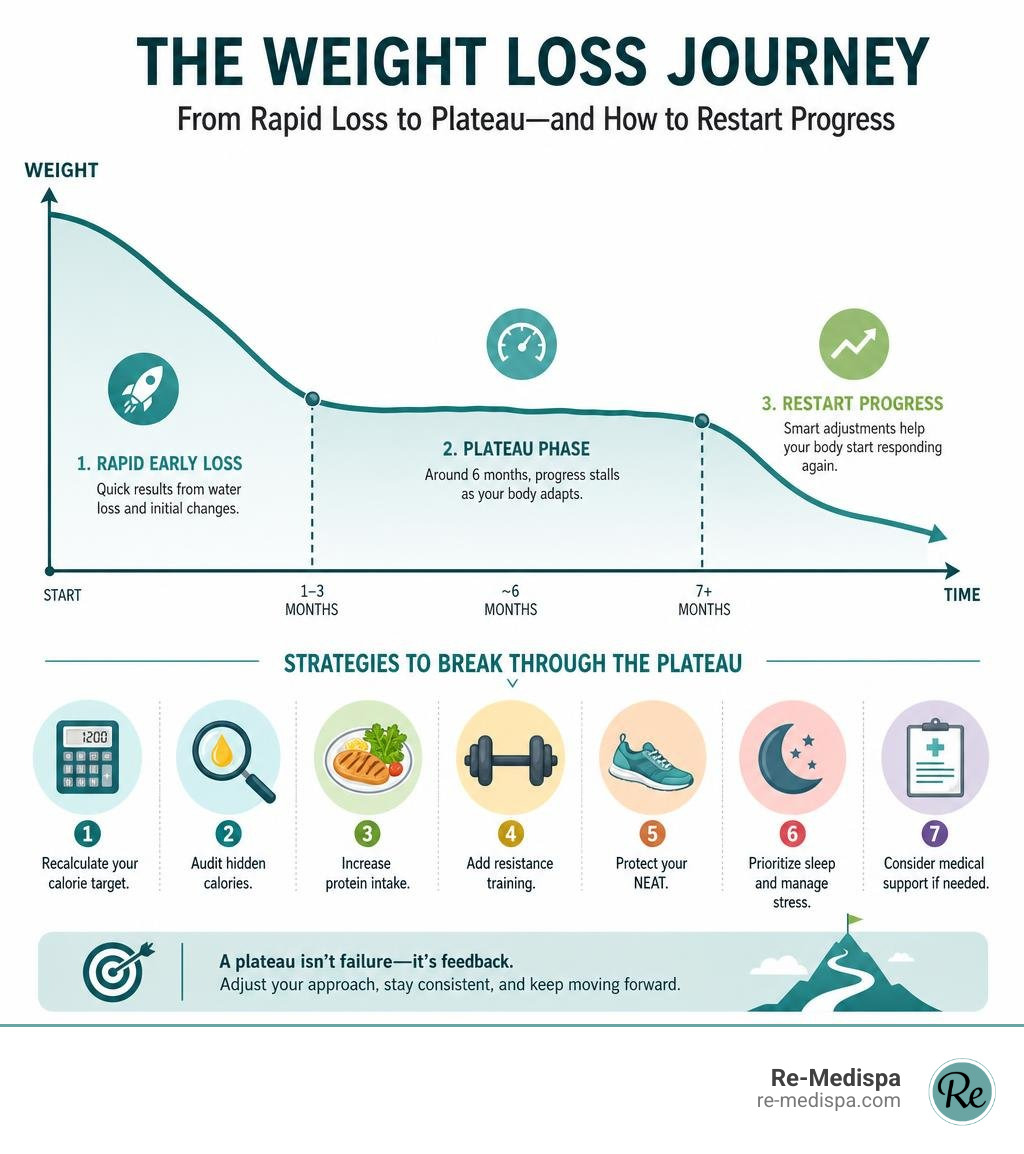
- Recalculate your calorie target using your current weight — your needs have changed since you started
- Audit hidden calories — cooking oils, restaurant meals, and untracked snacks add up fast
- Increase protein intake to 1.2–1.5g per kg of body weight to preserve muscle and boost metabolism
- Add resistance training to protect lean muscle and raise your resting calorie burn
- Protect your NEAT — unconscious movement like walking and fidgeting can account for 15–30% of daily calorie burn
- Prioritize sleep and stress management — elevated cortisol actively promotes fat storage
- Consider medical weight loss support if lifestyle changes alone aren’t enough after 4–6 weeks of adjustments
You’ve been doing everything right. Eating better, moving more, staying consistent. For weeks, maybe months, the scale kept moving — and then it just… stopped.
That feeling has a name: scale jail. And it’s more common than you think.
Research shows that roughly 85% of people who diet experience a weight loss plateau at some point. Most hit their maximum weight loss around the six-month mark, then progress stalls or slowly reverses. It’s not a personal failure. It’s biology doing exactly what it was designed to do — protect you.
The frustrating truth is that the same body that helped you lose weight in the first place will eventually work against further loss. Your metabolism adapts. Hormones shift. And the strategy that worked in month one simply stops working by month four.
The good news? A plateau is not the end of your journey. It’s just a signal that your body needs a new approach.
Understanding the Science: Why Weight Loss Stalls
When you first embark on a weight loss journey, the scale drops quickly. This initial drop is highly motivating, but much of it is water weight.
Your body stores carbohydrates in the form of glycogen in your muscles and liver. Glycogen is bound to water, and when you reduce your food intake, your body burns through these glycogen stores, releasing that water. Once those stores are depleted, your weight loss naturally slows down to a more realistic pace of fat loss.
As you continue to lose weight, your body undergoes a process called metabolic adaptation. A smaller body requires fewer calories to function. If you started your journey at 200 pounds and now weigh 170 pounds, your resting energy expenditure has naturally decreased.
Furthermore, your body actively fights to defend its previous weight through a biological mechanism called adaptive thermogenesis. This is a survival response left over from our ancestors. When your body detects a prolonged energy deficit, it downregulates your resting metabolic rate even further than what can be explained by your loss of fat and muscle tissue.
To dive deeper into these biological shifts, you can read the clinical Management of Weight Loss Plateau – StatPearls – NCBI Bookshelf.
The Role of Hormones in Weight Loss Plateau Solutions
Your metabolism is not a simple calculator; it is a complex hormonal system. When you maintain a calorie deficit, your fat cells shrink and produce less leptin, the hormone that signals fullness to your brain. Simultaneously, your stomach produces more ghrelin, the hormone that triggers hunger. This biological double-whammy makes you feel hungrier and less satisfied after meals.
Other hormones can actively lock a weight plateau in place:
- Cortisol: Known as the stress hormone, chronic elevation of cortisol triggers your body to hold onto visceral fat, particularly around the abdomen. It also increases cravings for quick energy sources like refined carbohydrates and sugars.
- Thyroid Hormones: Prolonged caloric restriction can lead to a slight downregulation of active thyroid hormones (specifically T3), which controls your overall metabolic rate.
- Insulin Resistance: If your body is resistant to insulin, glucose struggles to enter your cells, leading to elevated insulin levels. High insulin acts as a biochemical lock on your fat stores, making it incredibly difficult for your body to mobilize fat for fuel.
Addressing these hormonal imbalances is often the key to finding lasting weight loss plateau solutions that work with your biology rather than against it.
Auditing Your Lifestyle: Common Culprits Behind the Stall
Before assuming your metabolism is permanently broken, it is essential to perform an honest audit of your daily lifestyle. Over time, it is incredibly common for “calorie creep” or tracking drift to occur.
You might start by measuring every portion, but after a few months, you begin to eyeball your serving sizes. A slightly larger pour of olive oil, a handful of almonds, or tasting food while cooking can easily add up to 300 to 500 unlogged calories per day. This completely erases your hard-earned calorie deficit.
Another major culprit is the collapse of NEAT (Non-Exercise Activity Thermogenesis). NEAT refers to all the calories you burn through daily movement that is not formal exercise—such as fidgeting, walking to your car, cleaning, or standing.
When you are in a calorie deficit, your brain unconsciously signals you to move less to conserve energy. You might sit more often, take the elevator instead of the stairs, or stop pacing while on the phone. This subtle shift can decrease your daily calorie burn by hundreds of calories, quietly stalling your progress.

Tracking Accuracy and Recalculating Your TDEE
To break out of scale jail, you must replace estimation with precision. We recommend using a digital food scale to weigh your food for at least one week. Measuring by volume (like cups and spoons) can be highly inaccurate, especially for calorie-dense foods like peanut butter, oils, and nuts.
Next, you must recalculate your Total Daily Energy Expenditure (TDEE). Your calorie target when you were heavier will not work for your current, smaller body. You can use the Mifflin-St Jeor equation to estimate your new baseline needs:
- For Men: BMR = (10 × weight in kg) + (6.25 × height in cm) – (5 × age in years) + 5
- For Women: BMR = (10 × weight in kg) + (6.25 × height in cm) – (5 × age in years) – 161
Multiply your BMR by an activity factor to find your current TDEE, then subtract a modest 300 to 500 calories to re-establish a safe deficit.
To complement these adjustments, keeping your daily step count high is a fantastic way to combat NEAT collapse. Aiming for a daily floor of 8,000 to 10,000 steps ensures your metabolism stays active throughout the day. If you need professional guidance to restructure your nutritional habits, explore our expert support at the Re-Medispa Wellness Center.
Dietary and Exercise Adjustments: Actionable Weight Loss Plateau Solutions
When looking for weight loss plateau solutions, the instinct is often to eat less and do more cardio. However, this extreme approach usually worsens metabolic adaptation. Instead, strategic adjustments to your nutrition and workout routine yield far better results.
First, prioritize dietary protein. Protein has the highest thermic effect of food (TEF), meaning your body burns about 20% to 30% of the calories it contains just trying to digest and process it. Consuming 1.2 to 1.5 grams of protein per kilogram of body weight also helps preserve your lean muscle mass, which is the primary driver of your resting metabolic rate.
Second, incorporate resistance training. While cardiovascular exercise burns calories during the workout, strength training builds muscle mass that burns calories around the clock—even while you sleep.
| Exercise Type | Calories Burned During Workout | Post-Workout Metabolic Boost | Muscle Preservation |
|---|---|---|---|
| Cardio (Running/Cycling) | High | Low (returns to baseline quickly) | Low (can lead to muscle loss over time) |
| Strength Training | Moderate | High (elevated for up to 24–48 hours) | High (builds and preserves lean mass) |
Nutritional Tweaks as Weight Loss Plateau Solutions
In addition to increasing protein, simple dietary shifts can make a profound difference:
- Increase Soluble Fiber: Fiber-rich foods like non-starchy vegetables, oats, and legumes slow down digestion. This keeps you feeling full for longer and prevents rapid spikes in blood sugar.
- Optimize Hydration: Dehydration can mimic hunger, leading to unnecessary snacking. Drinking plenty of water also supports optimal metabolic function.
- Try Calorie Cycling: Instead of maintaining a continuous, rigid calorie deficit, try calorie cycling (sometimes called a zig-zag diet). This involves eating slightly more calories on your training days and fewer calories on rest days. This variation keeps your body from fully adapting to a single low-calorie baseline.
To read more about structuring these dietary shifts safely, refer to the Getting past a weight-loss plateau – Mayo Clinic guide.
When to Consider Medical Weight Loss Interventions
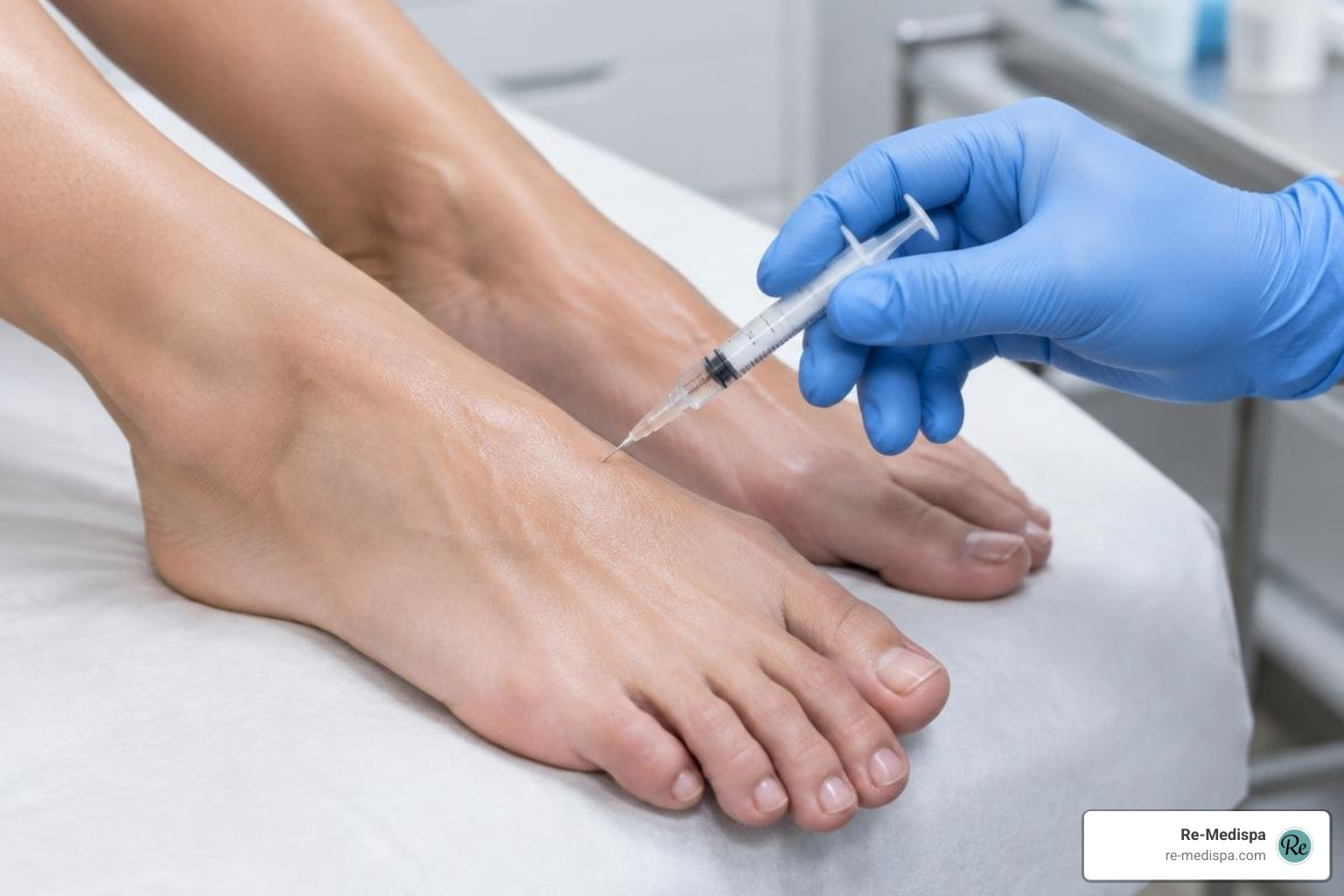
If you have spent four to six weeks consistently tracking your food, maintaining your step count, and strength training without seeing any change in your measurements or scale weight, it may be time to consider medical weight loss support.
At Re-Medispa, we offer advanced medical weight loss programs utilizing FDA-approved medications like Semaglutide and Tirzepatide. These medications are GLP-1 (and in the case of Tirzepatide, GIP) receptor agonists. They work by mimicking natural hormones that regulate appetite, slow gastric emptying (which keeps you full longer), and improve how your body processes insulin.
Many clients experience a significant weight reduction of 10% to 20% of their body weight when combining these medical treatments with structured lifestyle changes.

These medical treatments are highly effective, but they are not a “quick fix” and require professional oversight.
- Common Side Effects: Some clients may experience mild, temporary side effects such as nausea, acid reflux, or digestive changes like constipation. These are typically managed easily by starting with a low dose and gradually adjusting under medical supervision.
- Who Is Not a Candidate: These medications are not suitable for individuals with a personal or family history of medullary thyroid carcinoma or Multiple Endocrine Neoplasia syndrome type 2 (MEN 2). A thorough consultation is required to ensure safety.
To learn more about our medically supervised programs, visit our dedicated Weight Loss Service page.
Supportive Therapies for Metabolic Health
To maximize your results and maintain high energy levels during your weight loss journey, we also offer targeted wellness therapies designed to support cellular function and metabolic health:
- Hydration Therapy: Proper cellular hydration is vital for fat metabolism. Our customized IV drips deliver essential fluids directly into your bloodstream. Learn more about our Hydration Therapy Arlington Heights IL Harwood Heights IL services.
- Vitamin B12 Injections: Vitamin B12 plays a key role in converting food into usable energy and supporting a healthy nervous system. Discover how a Vitamin B12 Injection Arlington Heights Harwood Heights IL can boost your energy.
- NAD+ Therapy: Nicotinamide Adenine Dinucleotide (NAD+) is a coenzyme found in all living cells that is essential for cellular energy production and mitochondrial function. Explore our NAD Arlington Heights IL Harwood Heights IL therapy options to help revitalize your metabolism.
Frequently Asked Questions About Weight Loss Plateaus
How long does a typical weight loss plateau last?
A true weight loss plateau is defined as no change in scale weight or body measurements for at least three to four consecutive weeks. Short-term stalls of a few days or a week are completely normal and are often caused by temporary water retention, high sodium intake, or hormonal fluctuations during your monthly cycle.
Can a “cheat day” or refeed day actually break a plateau?
An uncontrolled “cheat day” can easily undo an entire week’s calorie deficit. However, a structured “refeed day”—where you intentionally eat at your maintenance calorie level, focusing primarily on clean carbohydrates—can temporarily boost leptin levels, replenish glycogen stores, and give you a psychological break. This structured approach is often referred to as “metabolic confusion” and can help restart a stalled metabolism.
How do I know if I am experiencing body recomposition instead of a plateau?
If you are lifting weights regularly, you may be experiencing body recomposition—meaning you are losing fat and gaining muscle at the same time. Because muscle is denser than fat, your scale weight might stay exactly the same even though your body is physically shrinking. To confirm this, track your waist circumference, pay attention to how your clothes fit, and celebrate these non-scale victories!
Overcoming the Plateau with Re-Medispa
At Re-Medispa, we understand that weight loss is a deeply personal journey that requires more than generic advice. Led by our Founder and Medical Director, Renata Ciszek, we provide honest, compassionate, and highly personalized care to help you achieve your wellness goals.
Whether you visit our beautiful clinic in Arlington Heights or our location in Harwood Heights, IL, our team will work closely with you to design a customized plan. We proudly serve clients throughout the Northwest suburbs, including Palatine, Schaumburg, Des Plaines, Mount Prospect, Buffalo Grove, Park Ridge, Northbrook, and Glenview.
If you are ready to break free from scale jail and find the right weight loss plateau solutions for your unique body, we invite you to take the next step. Schedule a consultation at our medical spa today, and let’s get things moving again together.