
Peptides Explained: What Every Skincare-Savvy Woman Should Know
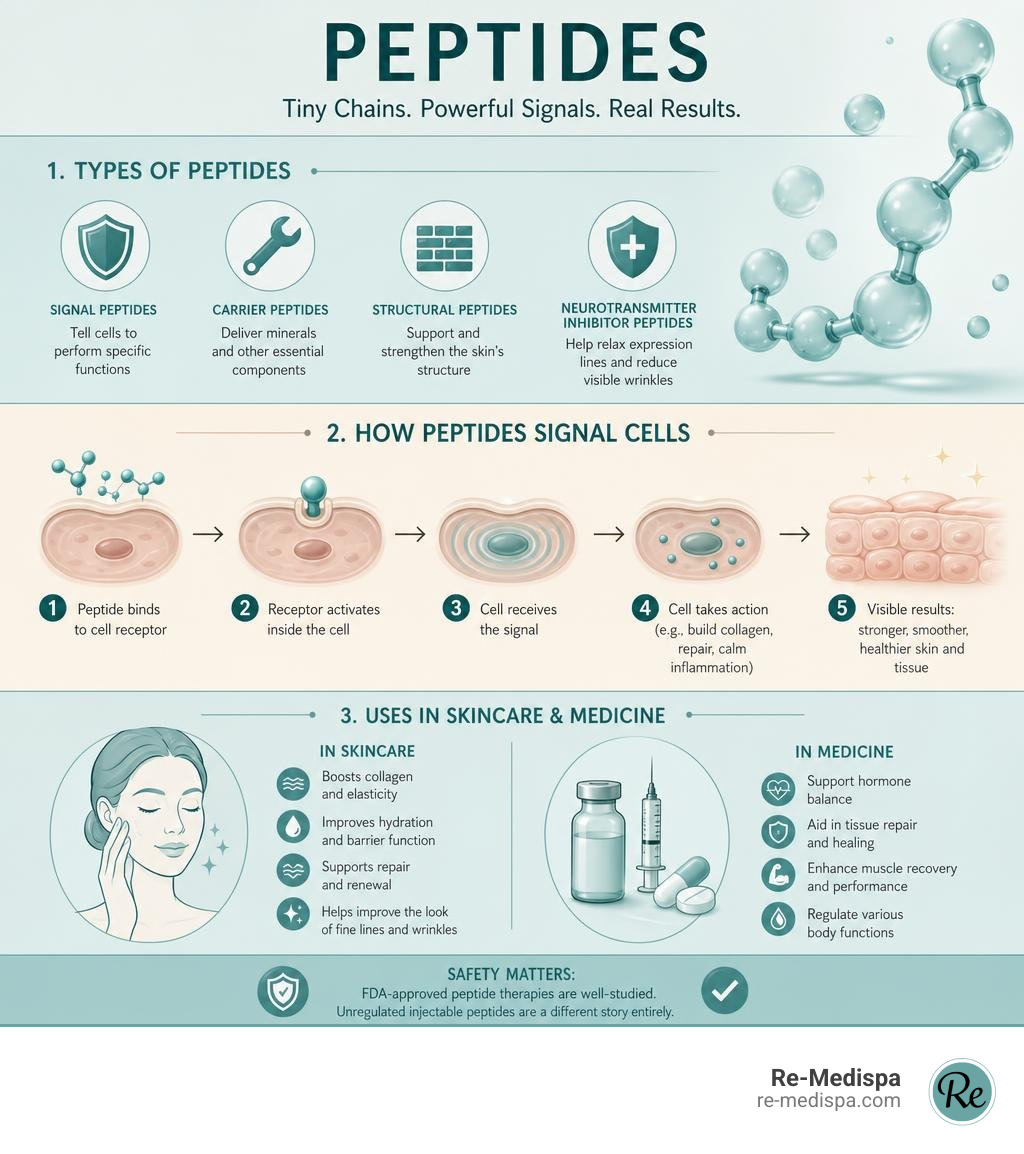
Peptides are short chains of amino acids — the same building blocks that make up the proteins in your skin, muscles, and hormones. They act as tiny messengers in your body, telling cells to produce collagen, repair tissue, and regulate inflammation. In skincare and wellness, they’ve become one of the most talked-about ingredients of the decade.
Here’s a quick overview of what they are and why they matter:
- What they are: Chains of 2 to 100 amino acids, smaller and simpler than full proteins
- How they work: They signal cells to perform specific functions — like boosting collagen production or accelerating tissue repair
- Where they’re found: Naturally in the body, in food, in FDA-approved medications (like insulin and GLP-1 drugs), and in topical skincare formulas
- Why they’re trending: Social media has spotlighted their potential for anti-aging, muscle recovery, and skin health — though the science behind different types varies widely
- Key safety note: FDA-approved peptide therapies are well-studied; unregulated injectable peptides are a different story entirely
If you’ve been seeing the word “peptide” everywhere — on your serum bottle, in wellness ads, or in your feed — you’re not imagining things. The science behind them is genuinely interesting. But there’s also a lot of noise to cut through.
This guide breaks it all down clearly, so you can make smart, informed choices about your skin and your health.
Peptides terms to learn:
What Are Peptides and How Do They Work in the Body?
To understand how peptides function, it helps to start with basic chemistry. Amino acids are the fundamental building blocks of life. When two or more amino acids link together via a special chemical bond called a peptide bond, they form a peptide chain.
According to the official IUPAC definition of peptides, these molecules are amides formed when the carboxyl group of one amino acid joins the amino group of another, releasing a water molecule in the process.
Scientists usually categorize these chains by length:
- Oligopeptides: Short chains containing between 2 and 20 amino acids.
- Polypeptides: Longer chains consisting of 20 to 50 amino acids.
The primary distinction between peptides and full proteins comes down to size and molecular weight. While peptides max out around 50 amino acids, larger structures are considered proteins.
For example, insulin is a 51-amino-acid peptide hormone, making it one of the most famous examples bridging this boundary. Insulin was actually the very first synthetic peptide synthesized in a lab back in 1921, transforming medicine forever.
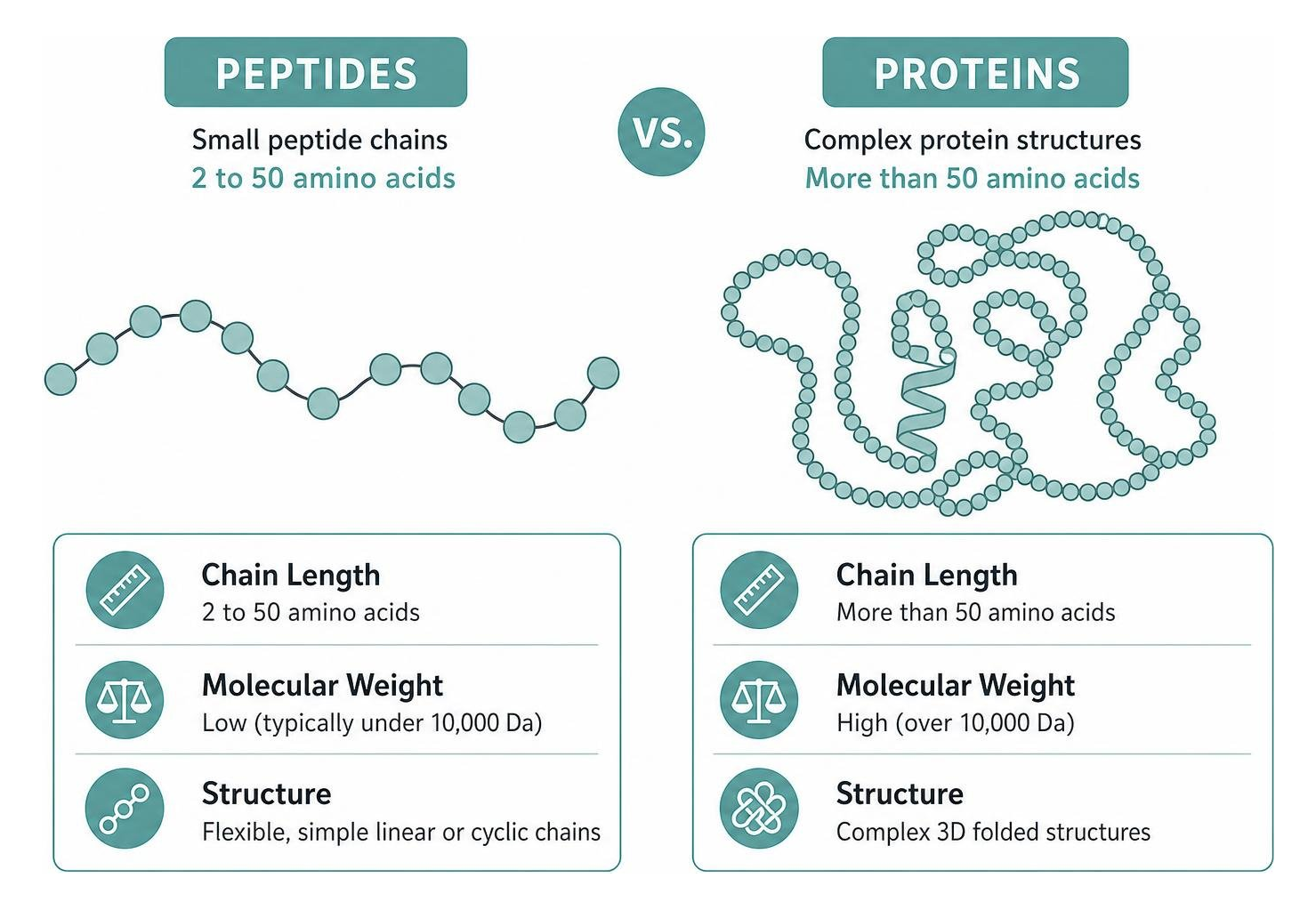
| Feature | Peptides | Proteins |
|---|---|---|
| Chain Length | 2 to 50 amino acids | More than 50 amino acids |
| Molecular Weight | Low (typically under 10,000 Da) | High (over 10,000 Da) |
| Structure | Flexible, simple linear or cyclic chains | Complex 3D folded structures |
| Absorption | Easier to penetrate membranes or skin | Difficult to absorb through barriers intact |
| Primary Function | Cellular signaling, hormone messengers | Structural framework, enzymatic activity |
Biologically, these short chains serve as master signalers. The human body naturally produces over 7,000 distinct peptides that control hormone activity, tissue regeneration, immune response, and neurotransmission.
Detailed Biochemistry research on peptide molecular structure shows that because of their small size, bioactive peptides fit precisely into cell surface receptors like key into a lock, triggering internal chemical pathways without altering cellular DNA.
Cosmetic Applications and Skin Health Benefits
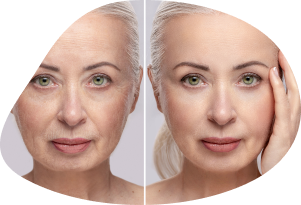
As we navigate our 30s, 40s, and 50s, natural collagen degradation accelerates. Environmental stress and sun exposure lead to visible photoaging, deep-set lines, and lost skin elasticity. This is where advanced skin care formulations leveraging topically applied signal molecules step in.
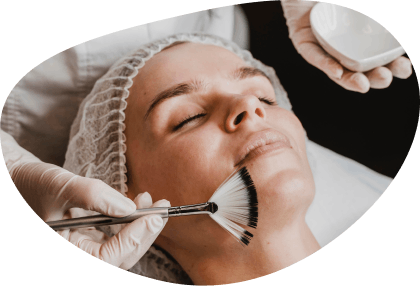
When applied to the skin, bioactive cosmetic peptides act as biological triggers. They trick the skin into thinking structural collagen has broken down, prompting dermal fibroblasts to synthesize fresh collagen, elastin, and fibronectin.
Clinical research demonstrates impressive anti-aging results. In one double-blind trial evaluating 93 female participants, applying a 3% Palmitoyl Pentapeptide-4 cream for 12 weeks visibly smoothed fine lines and elevated overall skin firmness.
Main Types of Skincare Peptides
Cosmetic formulations rely on four main functional categories:
- Signal Peptides: These molecules communicate directly with cells to ramp up structural matrix synthesis. A prime example is Palmitoyl Pentapeptide-4 (Matrixyl), which stimulates collagen types I and IV to firm aging skin.
- Carrier Peptides: These specialized sequences deliver trace minerals required for enzymatic wound repair and tissue rebuilds. Copper Tripeptide-1 (GHK-Cu) delivers copper directly to skin cells, facilitating fast tissue remodeling, antioxidant defense, and angiogenesis.
- Neurotransmitter Inhibitors: Often called “topical botox,” ingredients like Acetyl Hexapeptide-3 (Argireline) temporarily inhibit acetylcholine release at the neuromuscular junction. Studies show a 10% Argireline emulsion can reduce facial wrinkle depth by up to 30% after 30 days of consistent use.
- Enzyme Inhibitors: These peptides slow down the natural breakdown of collagen and elastin by inhibiting Matrix Metalloproteinases (MMPs), protecting existing dermal structures from degradation.
Skin Barrier Delivery and Formulation Challenges
While the benefits sound amazing, delivering intact active ingredients through the skin is chemically challenging. The outer layer of your skin—the stratum corneum—is specifically designed to keep foreign molecules out.
Most peptides are hydrophilic (water-loving) and exceed 500 Daltons in size, making it difficult for them to pass through skin lipids naturally. Formulators tackle this by pairing peptides with lipophilic palmitoyl chains or using advanced nano-carriers like liposomes and nanoemulsions.
In clinical practice, advanced aesthetic delivery methods like microneedling bypass this surface barrier altogether. By creating micro-channels in the skin, microneedling allows therapeutic topical serums to reach deeper dermal layers directly, maximizing their cell-signaling benefits.
Health, Muscle Growth, and Aesthetic Wellness Benefits
Beyond topical skincare, synthetic and natural peptides play significant roles in overall physiological health, tissue repair, and metabolic balance.
Many individuals take oral hydrolyzed collagen peptide supplements for joint comfort and skin hydration. Because oral collagen is broken down during digestion into small tripeptides, it provides essential building blocks that nourish joint cartilage and bone matrix.
In clinical studies involving postmenopausal women, daily collagen supplementation for 12 months led to measurable increases in bone mineral density across the spine and femoral neck.
In specialized settings, clinicians utilize targeted peptide therapies to encourage angiogenesis (the growth of new blood vessels), helping deliver crucial nutrients and oxygen to damaged tissues.
Clients focused on body composition frequently explore services offered at a clinical wellness center or structured weight loss service, where prescription metabolic therapies can support healthy, long-term body management under professional care.
Comparing Bioactive Peptides to Anabolic Steroids
A common point of confusion among health enthusiasts is whether muscle-supporting peptides are anabolic steroids. The short answer is no. They are chemically and biologically completely distinct classes of compounds.
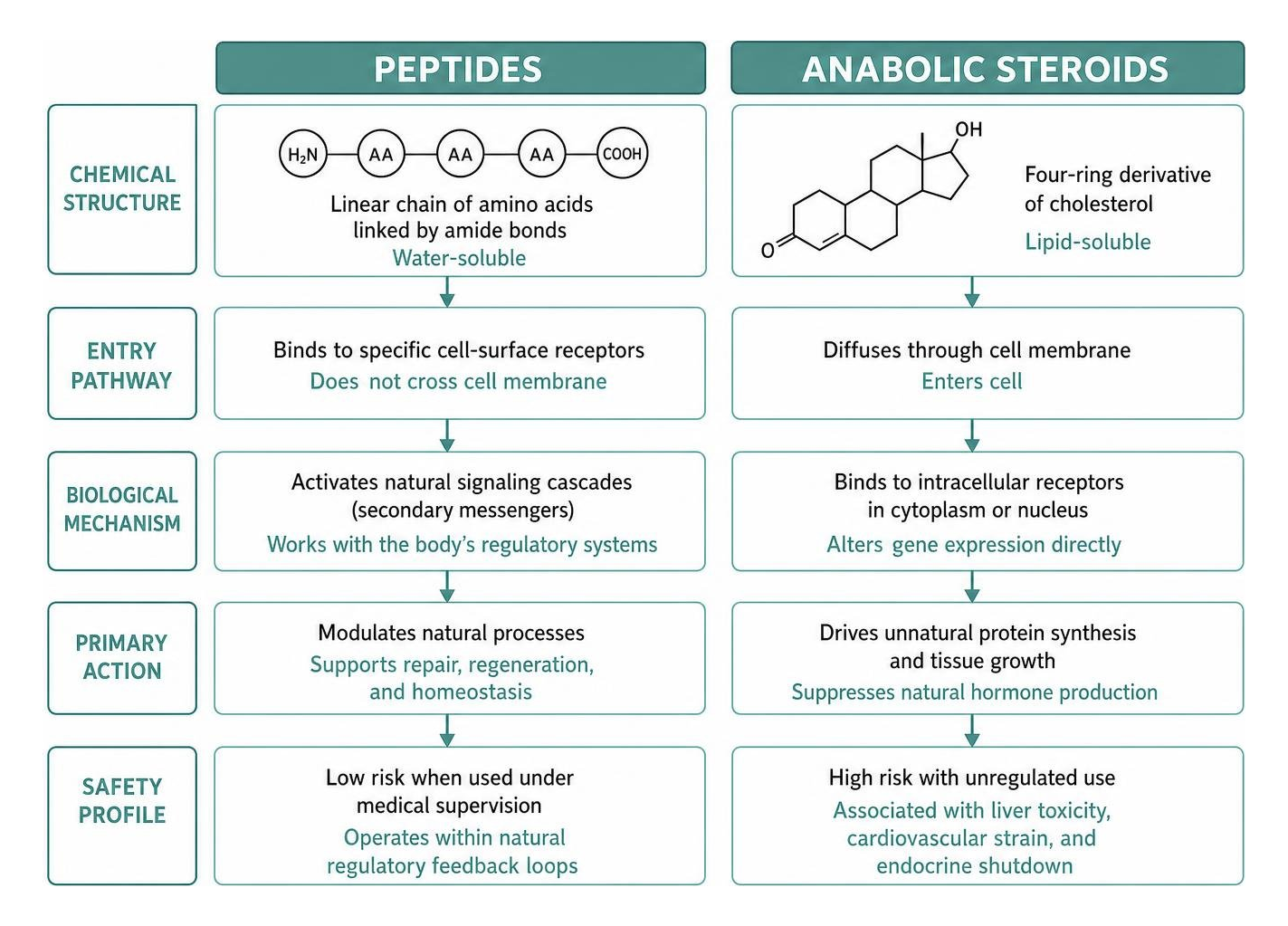
- Chemical Structure: Anabolic steroids are lipid-soluble synthetic derivatives of cholesterol featuring four characteristic carbon rings. Peptides are water-soluble linear chains of amino acids linked by amide bonds.
- Biological Mechanism: Steroids pass directly through cell membranes to alter gene expression inside the nucleus, often carrying significant hormonal disruption risks. Peptides bind to specific cell-surface receptors, sending natural secondary signals that encourage the body’s native repair processes.
- Safety Profiles: Unregulated steroid use carries known risks of liver toxicity, severe cardiovascular strain, and permanent endocrine shutdown. While unauthorized, injectable research peptides pose contamination risks, prescription peptides used under medical supervision operate within natural regulatory feedback loops.
Safety Concerns, Side Effects, and Regulatory Realities
Because amino acid chains are powerful signaling tools, using unverified or unapproved formulations carries real risks. A cautious, medical-first approach is vital to protecting your overall health.
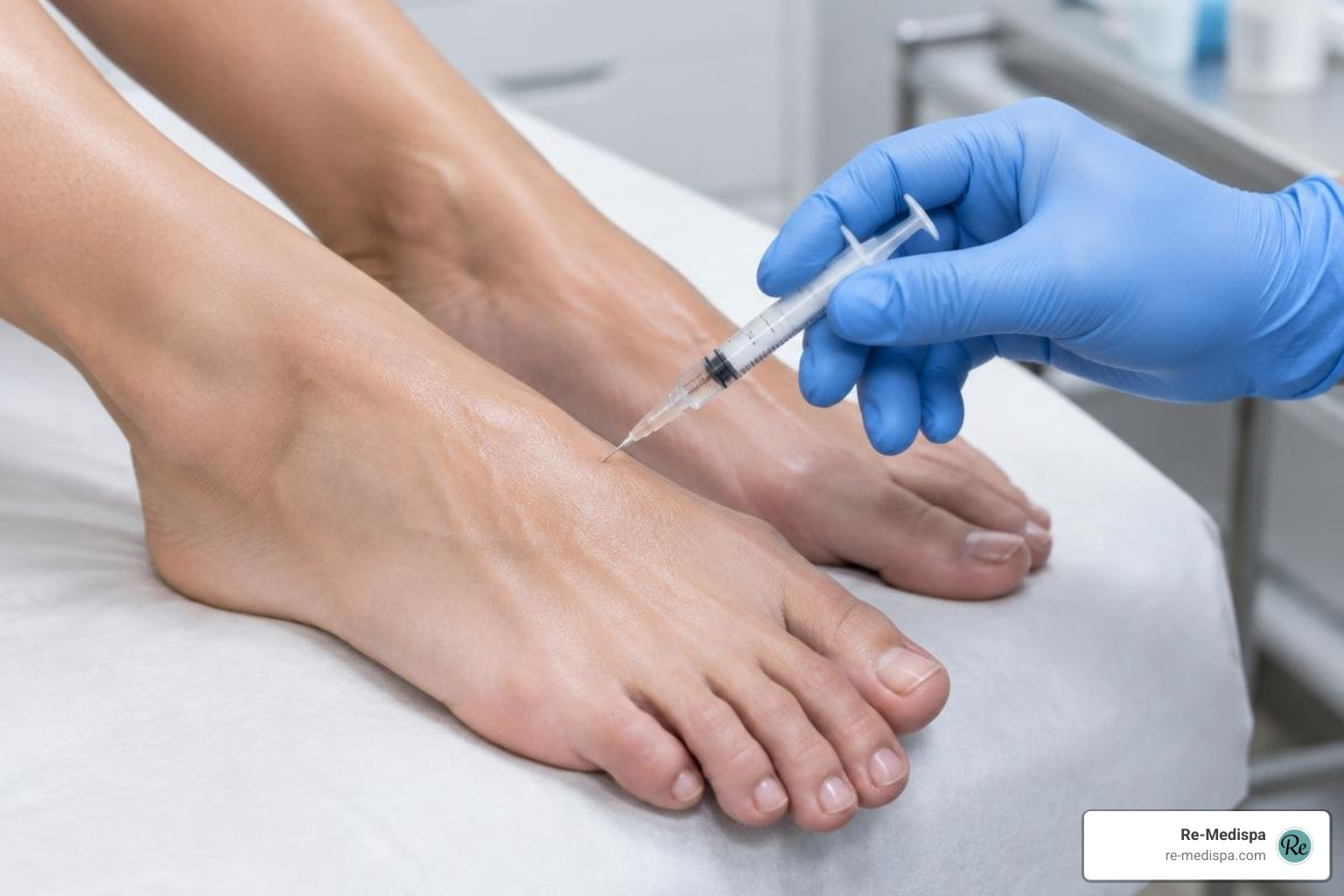
Common side effects associated with topical products are generally mild and localized, including temporary skin redness, mild swelling, or localized sensitivity. However, systemic or self-administered options carry unpredictable risks.
According to clear Harvard Health insights on peptide safety, injecting non-FDA-approved substances purchased online can lead to severe allergic reactions, injection site infections, heavy metal toxicity, or unwanted autoimmune responses due to product impurities.
FDA-Approved Medications vs. Unregulated Compounds
It is critical to distinguish between FDA-approved prescription therapies and gray-market “research” products sold online.
- FDA-Approved Therapies: Over 100 peptide-based medications are FDA-approved in the United States, including lifesaving insulin and highly effective GLP-1 receptor agonists used for diabetes management and chronic weight control. These products undergo rigorous manufacturing standards, sterility checks, and extensive clinical trials.
- Unregulated Gray-Market Compounds: Trendy online offerings like BPC-157, TB-500, or GHK-Cu injections are often sold under “for research purposes only” disclaimers. These products lack human safety data and standardized clinical protocols. In late 2023, the FDA prohibited compounding pharmacies from preparing many bulk peptides due to safety concerns regarding impurities and immune system triggers. Furthermore, all growth hormone secretagogues are strictly banned in professional athletics by the World Anti-Doping Agency (WADA).
For safe cosmetic enhancements, clients should stick exclusively to regulated clinical treatments and professional injectables administered by licensed healthcare professionals.
Frequently Asked Questions
Are these short amino acid chains considered steroids?
No, they are not steroids. While both classes of molecules can influence tissue repair and muscle function, their fundamental biochemistry is completely different.
Steroids are lipophilic synthetic hormones built on a multi-ring cholesterol backbone that pass directly into cell nuclei. Peptides are short chains of amino acids that bind to surface receptors on cells to encourage natural signaling pathways without directly taking over your hormonal system.
What are the potential side effects of treatments?
Side effects depend entirely on the specific formulation and how it is delivered. Topical skincare products may occasionally cause mild, transient skin redness or slight irritation in sensitive individuals.
Systemic therapies or injectable medications can sometimes cause mild nausea, temporary headaches, or localized injection site swelling. Because individual responses vary, all aesthetic and metabolic treatments should be evaluated and monitored by a qualified healthcare professional.
How does hydrolyzed collagen support skin and joint health?
Hydrolyzed collagen is collagen protein that has been broken down into small, digestible chains of 3 to 4 amino acids. When ingested, these tiny fragments pass through the gut wall and enter the bloodstream.
Rather than instantly forming collagen in your skin, these floating peptide fragments act as biological signal triggers. They encourage your body’s native fibroblasts and chondrocytes to synthesize fresh structural collagen in skin and joint tissue.
Personalized Aesthetic Care at Re-Medispa
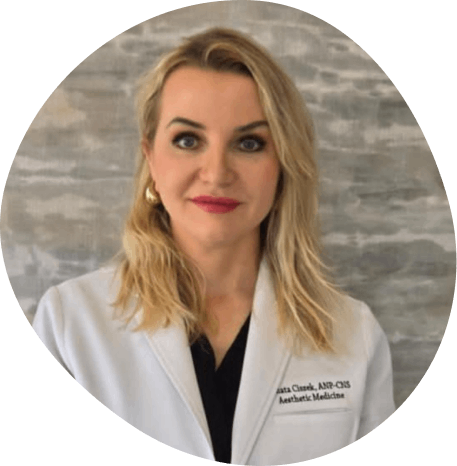
Navigating the fast-moving world of skin rejuvenation requires honest guidance grounded in clinical expertise. At Re-Medispa, led by Founder & Medical Director Renata Ciszek, we prioritize personalized, transparent care tailored specifically to your unique skin and wellness goals.
Whether you are looking to smooth fine lines, restore lost dermal elasticity, or explore proven clinical therapies, our licensed practitioners combine medical precision with advanced visual tools. Using our state-of-the-art AI preview tool, we can show you potential aesthetic outcomes before any procedure begins, ensuring complete confidence in your personal care plan.
Located conveniently in Arlington Heights (37 S Evergreen Ave) and Harwood Heights (5128 N Harlem Ave), we proudly serve clients across the Northwest suburbs, including Palatine, Schaumburg, Des Plaines, Mount Prospect, Buffalo Grove, Park Ridge, Northbrook, and Glenview.
Ready to restore your skin’s natural vitality? Visit our full-service medical spa or take the first step today to explore clinical injectables at Re-Medispa by booking your personalized consultation.