
Start With Calm, Simple Post-Treatment Skincare
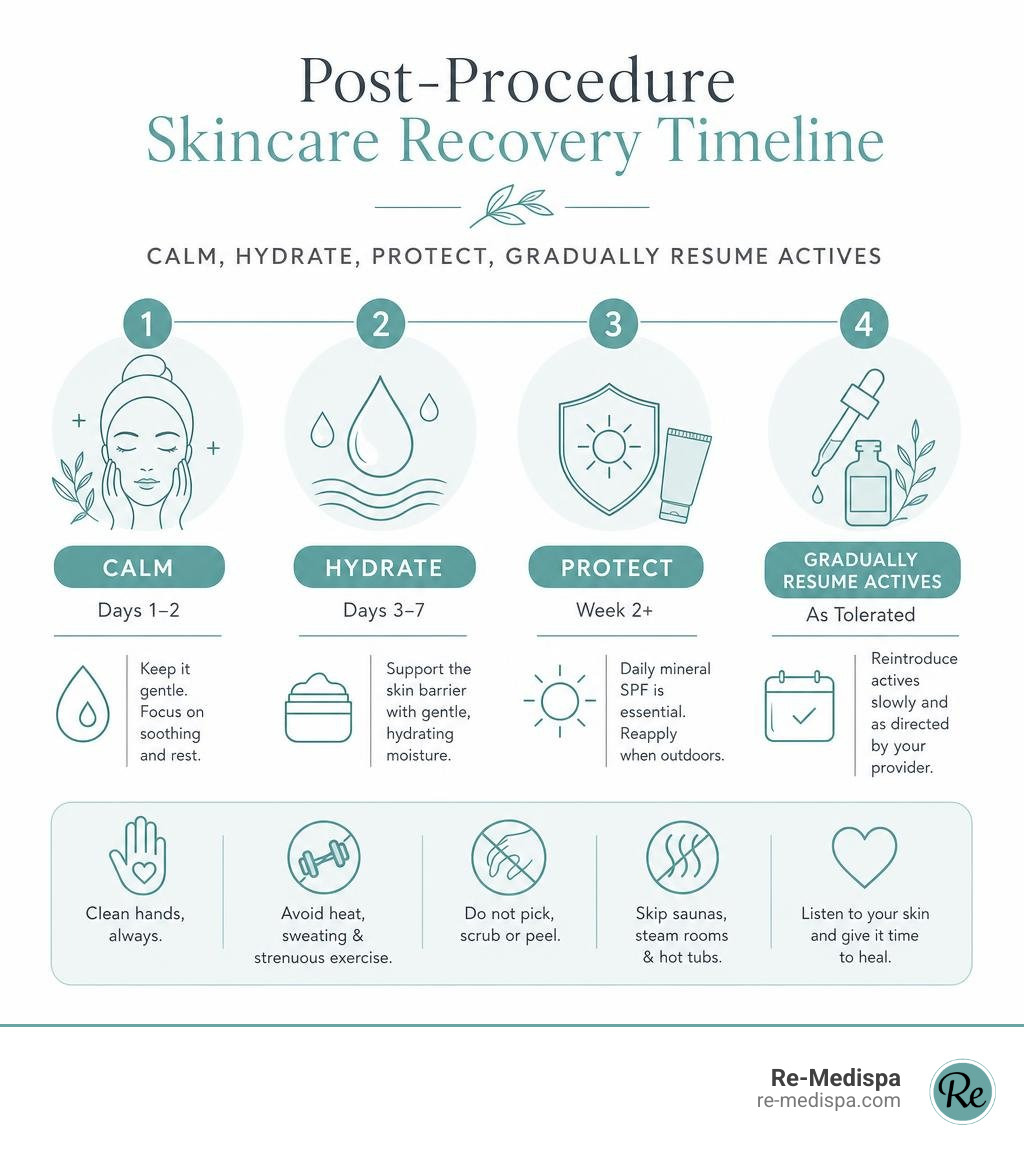
A good post treatment skincare routine keeps your skin calm, hydrated, and protected while it heals. For the first day or two, use only the aftercare steps your licensed provider recommends, avoid heat and sweating, do not pick or scrub, and wear broad-spectrum mineral SPF when you are exposed to daylight.
Many professional skin treatments create controlled, temporary irritation to support renewal. Mild redness, warmth, tightness, swelling, or flaking can be normal, depending on the procedure. Your skin barrier – its protective outer layer – may be more sensitive during this time, so the products and activities you choose can affect both comfort and recovery.
The safest plan is usually simple: gentle care, clean hands, barrier-supporting moisture, and strict sun protection. Follow the personalized instructions from your Re-Medispa provider first, especially if you have a health condition, take medications, or notice worsening pain, spreading redness, drainage, or fever.
Key terms for post treatment skincare routine:
Why a Dedicated Post-Treatment Skincare Routine Is Essential for Results
Aesthetic treatments work by creating a controlled response in the skin to stimulate natural renewal and cellular turnover. Whether your goal is firming tissue, clearing congestion, or exploring the collagen facial treatment benefits available for skin rejuvenation, the procedure itself is only half the equation. The steps you take at home determine how effectively your tissue heals and recovers.
When the outermost layer of your skin is compromised during clinical procedures, transepidermal water loss increases significantly. This rapid moisture loss leaves the lipid barrier dry, tight, and vulnerable to environmental stressors, airborne pollutants, and opportunistic bacteria. Applying structured post-procedure recovery protocols ensures your cells remain in an optimally hydrated environment. This physiological balance is vital for tissue repair, soothing reactive redness, and defending fragile skin against unwanted post-inflammatory hyperpigmentation.
Consistent aftercare also supports long-term skin health by reinforcing the structural lipid matrix. Skipping proper hydration or introducing aggressive actives prematurely can interrupt natural healing pathways, prolonging redness and causing unnecessary skin stress. Proper barrier support maximizes your comfort while allowing your clinical results to emerge beautifully.
Phase-by-Phase Recovery Timeline and What to Apply
Healing happens in distinct stages as the skin rebuilds itself from the inside out. Rather than rushing back to your standard multi-step regimen, align your topical care with your skin’s natural repair cycle to ensure optimal cellular recovery.
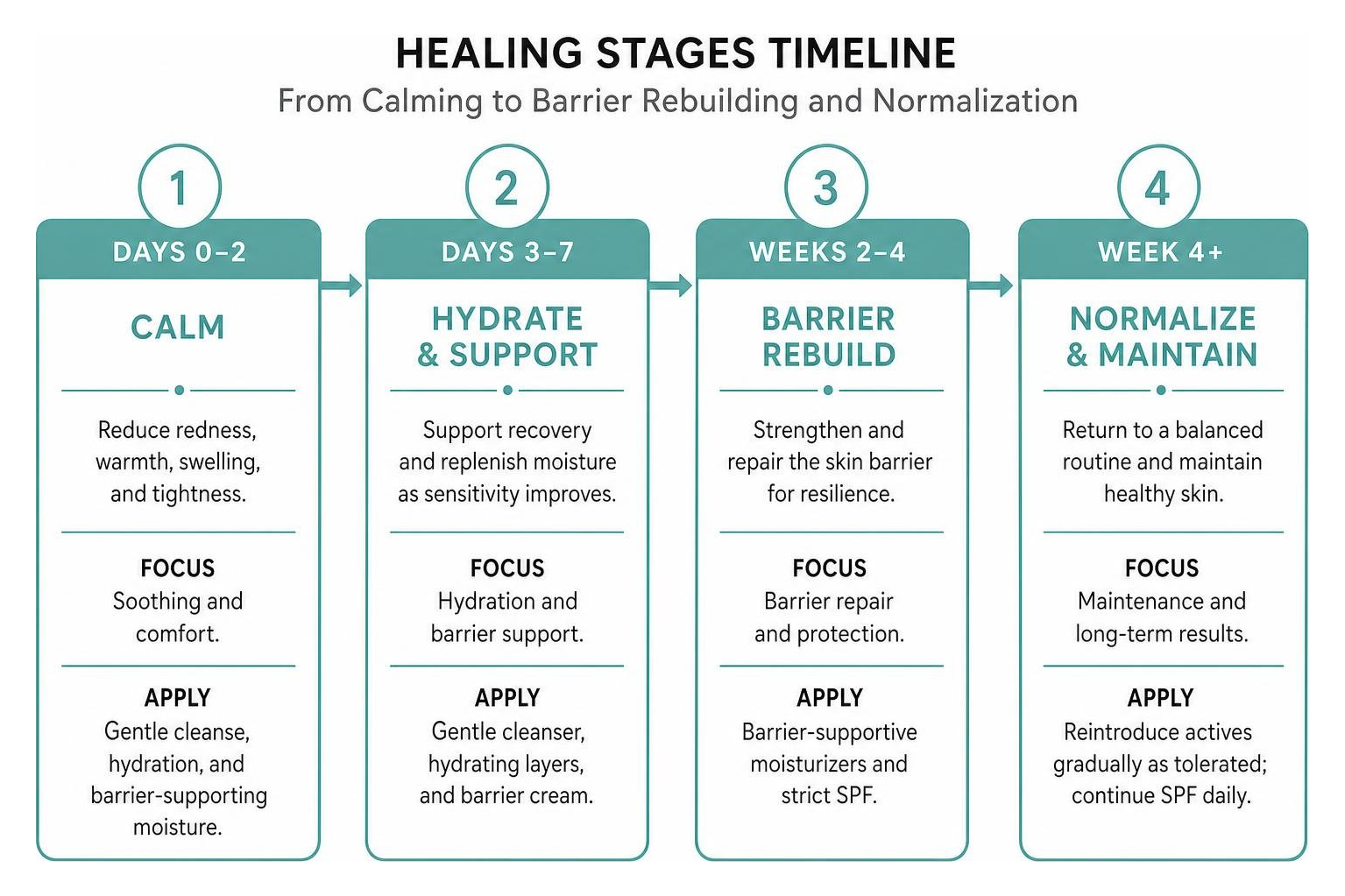
Days 0 to 2: The Calming Phase of Your Post-Treatment Skincare Routine
The first 48 hours are dedicated entirely to soothing acute sensitivity, cooling residual heat, and preserving comfort. Your skin may feel warm or tight, similar to a mild sunburn. Use cool compresses for 10 minutes at a time to reduce swelling and ease surface heat without applying ice directly to the skin.
Cleanse gently using only lukewarm water or a mild, fragrance-free cleanser applied with clean fingertips. Pat dry with a soft, clean towel rather than rubbing. Layer lightweight hydration with pure hyaluronic acid or soothing thermal spring water, followed by a gentle barrier cream to lock in moisture. Keep your routine stripped down to the absolute essentials.
| Ingredient / Step | Recovery Status (Days 0–2) | Purpose / Note |
|---|---|---|
| Hyaluronic Acid | Safe & Recommended | Replenishes vital cellular moisture |
| Cool Compresses | Safe & Recommended | Calms redness and surface heat |
| Ceramides / Squalane | Safe & Recommended | Rebuilds the delicate lipid layer |
| Physical Sunscreen (Zinc Oxide) | Safe & Recommended | Shields fragile skin from UV rays |
| Retinoids / Retinol | Restricted | Can cause severe irritation and peeling |
| Exfoliating Acids (AHA/BHA) | Restricted | Disrupts barrier restoration |
| Fragrances & Essential Oils | Restricted | Common triggers for contact dermatitis |
Days 3 to 7: Active Barrier Rebuilding and Hydration
During days three through seven, the skin focuses heavily on structural barrier restoration and lipid synthesis. Clinical observations outlined in 7-day post-laser recovery protocols show that barrier recovery typically reaches roughly 70% by day six or seven.
Support this phase by replenishing essential skin lipids and incorporating strengthening peptides. Essential barrier-repair ingredients during this window include:
- Ceramides: Natural lipids that seal gaps between skin cells to lock in moisture.
- Niacinamide (low-dose 2–5%): Helps reduce residual redness and boosts lipid production.
- Centella Asiatica (Cica): Calms inflammation and accelerates cellular recovery.
- Peptides: Support the building blocks of healthy epidermal function.
- Broad-Spectrum Mineral SPF 50: Protects newly emerging cells from direct sun damage.
Days 8 to 14: Gradual Normalization and Controlled Actives
By the second week, surface sensitivity noticeably declines and cellular turnover progresses. Most clients see visible improvement in skin texture, radiance, and overall comfort during this window.
You may begin reintroducing gentle, non-acidic antioxidants like low-concentration vitamin C derivatives. Always introduce active formulas one at a time, spaced several days apart, to monitor your skin’s tolerance safely. If any flaking or residual dryness persists, pause actives and prioritize nourishing moisturizers until your barrier feels completely balanced.
Refining Your Post-Treatment Skincare Routine for Specific Procedures
Different clinical treatments challenge the skin in unique ways, requiring targeted adjustments to your home routine.

Aftercare for Collagen Induction and Resurfacing Procedures
Procedures that create micro-channels or accelerate cellular turnover need strict protection against contamination and moisture loss. Reviewing detailed microneedling aftercare essentials helps ensure you do not introduce irritating serums while micro-channels remain open. Stick to pure hydrators such as hyaluronic acid for the first 24 hours.
Similarly, following proper chemical peels post-care steps is vital to avoid picking or scrubbing at peeling skin. Allowing flakes to shed naturally prevents scarring, hyperpigmentation, and uneven texture. Apply rich, emollient creams frequently to keep shedding skin supple.
Aftercare for Deep Cleansing and Injectable Treatments
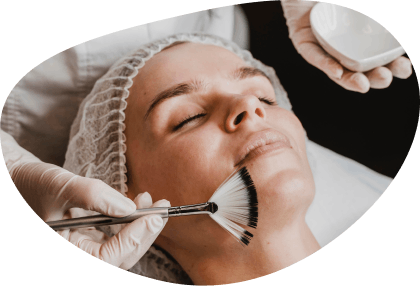
Facials and injectable appointments involve distinct aftercare considerations compared to intensive resurfacing. After undergoing deep pore cleansing care, focus on light hydration and non-comedogenic moisturizers to prevent re-clogging open pores. If you are uncertain which service fits your concerns, guidance on choosing the perfect facial can help match treatment intensity to your specific barrier health.
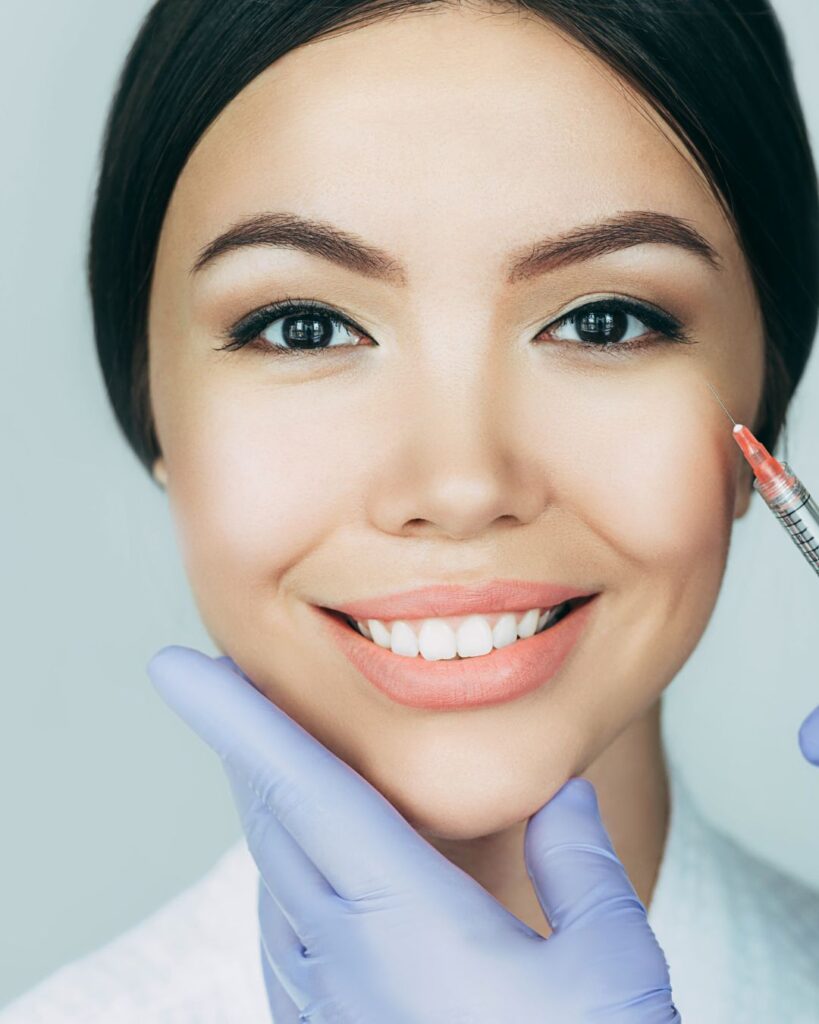
For neurotoxins, our detailed Botox aftercare guide emphasizes remaining upright for at least four hours and avoiding pressure on the injection sites. When working on smoothing out forehead lines, skipping strenuous workouts and facial massage for the first 24 to 48 hours keeps the product exactly where placed.
Essential Recovery Rules, Activities to Avoid, and Provider Red Flags
While common side effects like temporary redness, mild edema, slight bruising, and light peeling are standard parts of the healing process, aggressive habits can compromise your final outcome. We provide honest guidance so you feel confident navigating each day of recovery.
Candidates with active skin infections, open lesions, or certain autoimmune conditions may not be ideal candidates for intensive resurfacing until cleared by a provider. Always disclose current medications and skincare habits during your pre-treatment consultation to ensure a safe protocol tailored to your skin type.
What to Avoid for 48 to 72 Hours:
- Strenuous workouts that cause heavy sweating, increased blood flow, and friction.
- Saunas, steam rooms, hot tubs, and excessively hot showers.
- Abrasive washcloths, cleansing brushes, and mechanical scrubs.
- Direct sun exposure, tanning beds, and high-heat environments.
- Harsh chemical exfoliants, artificial perfumes, and alcohol-based toners.
When to Contact Your Provider: Monitor your healing closely as your skin progresses through each phase. Contact your practitioner immediately if you experience severe or worsening pain, excessive swelling after 48 hours, yellow crusting or pus, unexpected blisters, or a fever. Clear communication ensures any potential issues are addressed quickly and safely.
Frequently Asked Questions About Post-Procedure Skincare
When can I start wearing makeup and exercising after a treatment?
We recommend waiting at least 24 to 48 hours before applying cosmetic foundation or engaging in sweat-inducing exercise. Makeup brushes can harbor bacteria, and sweat can irritate open micro-channels or freshly resurfaced skin, leading to unwanted breakouts.
When is it safe to reintroduce retinol, acids, and vitamin C?
Most clients can safely reintroduce prescription retinoids, glycolic acid, salicylic acid, and potent L-ascorbic acid between days 10 and 14. Always receive confirmation from your provider during your follow-up before resuming strong chemical exfoliants.
Why is mineral sunscreen recommended over chemical sunscreen during recovery?
Mineral sunscreens utilize physical blockers like zinc oxide and titanium dioxide. These ingredients sit on the skin surface to reflect UV rays without absorbing heat into sensitized tissue, minimizing the risk of allergic contact reactions during recovery.
Comprehensive Skin Recovery at Re-Medispa
Achieving beautiful, radiant skin requires an honest partnership between in-clinic expertise and dedicated home care. At Re-Medispa, Medical Director Renata Ciszek and our team provide personalized treatment plans and clear, structured aftercare protocols designed around your individual skin goals.
We invite you to schedule a private aesthetic consultation at our welcoming locations in Arlington Heights at 37 S Evergreen Ave or Harwood Heights at 5128 N Harlem Ave. Explore our wide range of comprehensive medical spa treatments and let us help you achieve healthy, long-lasting skin vitality with professional care every step of the way.