
Stop Winging Your Skincare with an Annual Facial Treatment Plan
Why Winging Your Skincare Is Costing You Real Results
An annual facial treatment plan review is the single most effective way to stop wasting money on treatments that don’t build on each other — and start seeing results that actually last.
Here’s a quick overview of what an annual facial treatment plan review covers:
- Baseline skin assessment — photos, skin analysis, and a full medical and lifestyle history
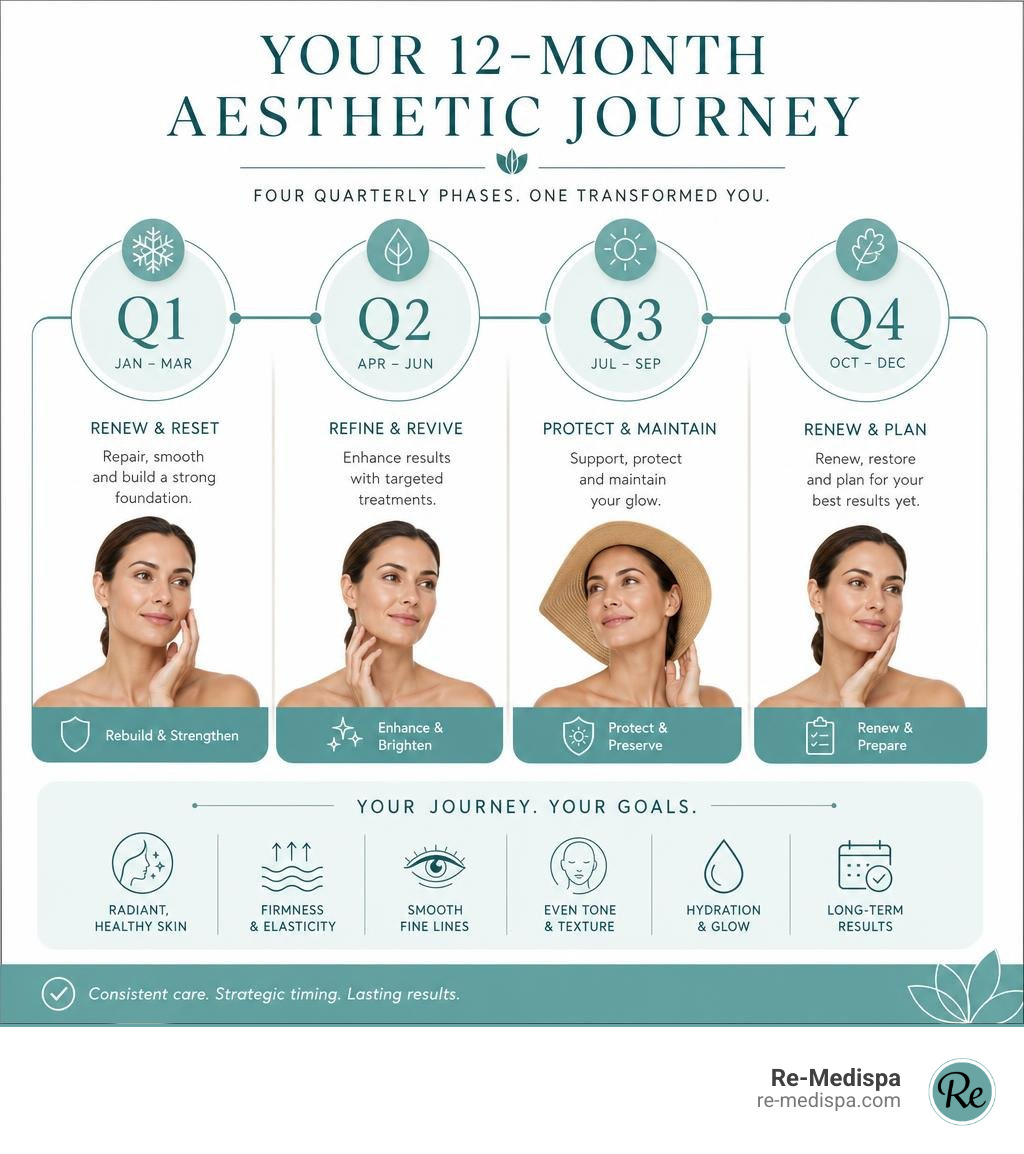
- Personalized treatment roadmap — sequenced across 12 months based on your skin’s needs and goals
- Injectable scheduling — Botox, fillers, and collagen stimulators timed for maximum effect
- Seasonal treatment alignment — aggressive resurfacing in fall/winter, maintenance and protection in summer
- Home care plan — medical-grade products that support and extend your in-clinic results
- Mid-year check-in — adjustments based on how your skin is responding
- Year-end review — before-and-after documentation and planning for year two
Most people book treatments one at a time, reactively, when something bothers them. A filler here. A Botox appointment there. A laser treatment before a big event. It feels proactive, but it isn’t.
The problem isn’t the individual treatments. It’s the order. The timing. The gaps.
As one clinical guide put it, the most common mistake in aesthetics isn’t choosing the wrong treatment — it’s delivering the right treatments in the wrong order, at the wrong cadence, without thinking about how they compound over time.
A structured annual plan changes that entirely. It treats your skin like what it actually is: a living system that responds to layered, well-timed care far better than sporadic appointments ever could.
Relevant articles related to annual facial treatment plan review:
- skin facials near me
- facials for wellness harwood heights program
- teen facial acne management program
What is an Annual Facial Treatment Plan and Why Do You Need One?
An annual facial treatment plan is a strategic, 12-month roadmap designed by a licensed professional to guide your aesthetic journey. Instead of chasing quick fixes, this plan maps out exactly when and how you should receive specific therapies. It ensures that every session builds directly on the progress of the last one.
By shifting from a reactive mindset to a proactive one, you unlock the true cumulative benefits of your treatments. This structured approach is a smart aesthetic investment. Rather than starting from scratch with every sporadic visit, consistent maintenance keeps your skin at its baseline peak.
At the heart of any successful long-term plan is continuous collagen stimulation and preventative care. As we age, our natural collagen production slows down, leading to structural laxity and fine lines. By combining in-clinic treatments with professional home care, we can consistently prompt the skin to repair and renew itself.
To keep your skin’s surface healthy and receptive to advanced therapies, regular upkeep is essential. Discover how routine maintenance keeps your skin glowing by reading more info about facial spa services.
The Science of Sequencing: How to Structure Your Annual Facial Treatment Plan Review
Achieving natural-looking facial rejuvenation is not about applying a single product or device to every problem. It is a multi-dimensional process that requires careful treatment sequencing. Our facial anatomy consists of multiple layers, including bone, deep fat compartments, superficial fat, muscle, and the overlying skin.
To achieve true harmony, we must address these layers in the correct order. For instance, attempting to smooth a deep fold in the skin without first restoring the underlying structural volume is like trying to iron a sheet on an unmade bed. We must build the foundation before refining the surface.
This multi-layered approach is supported by rigorous clinical evidence. A landmark scientific research on multi-layered facial rejuvenation demonstrated that a structured, multi-layered rejuvenation protocol yielded exceptional results. In the study, physicians rated 70% of subjects as “much improved” and 30% as “very much improved” on the Global Aesthetic Improvement Scale. Furthermore, 100% of the subjects stated they would recommend the protocol to their friends, and 90% reported sustained improvements in skin quality at an average of eight months post-treatment.
To help you understand how different modalities fit together, we follow a strict timeline framework. This ensures your tissues have ample time to heal and respond before the next layer is addressed.
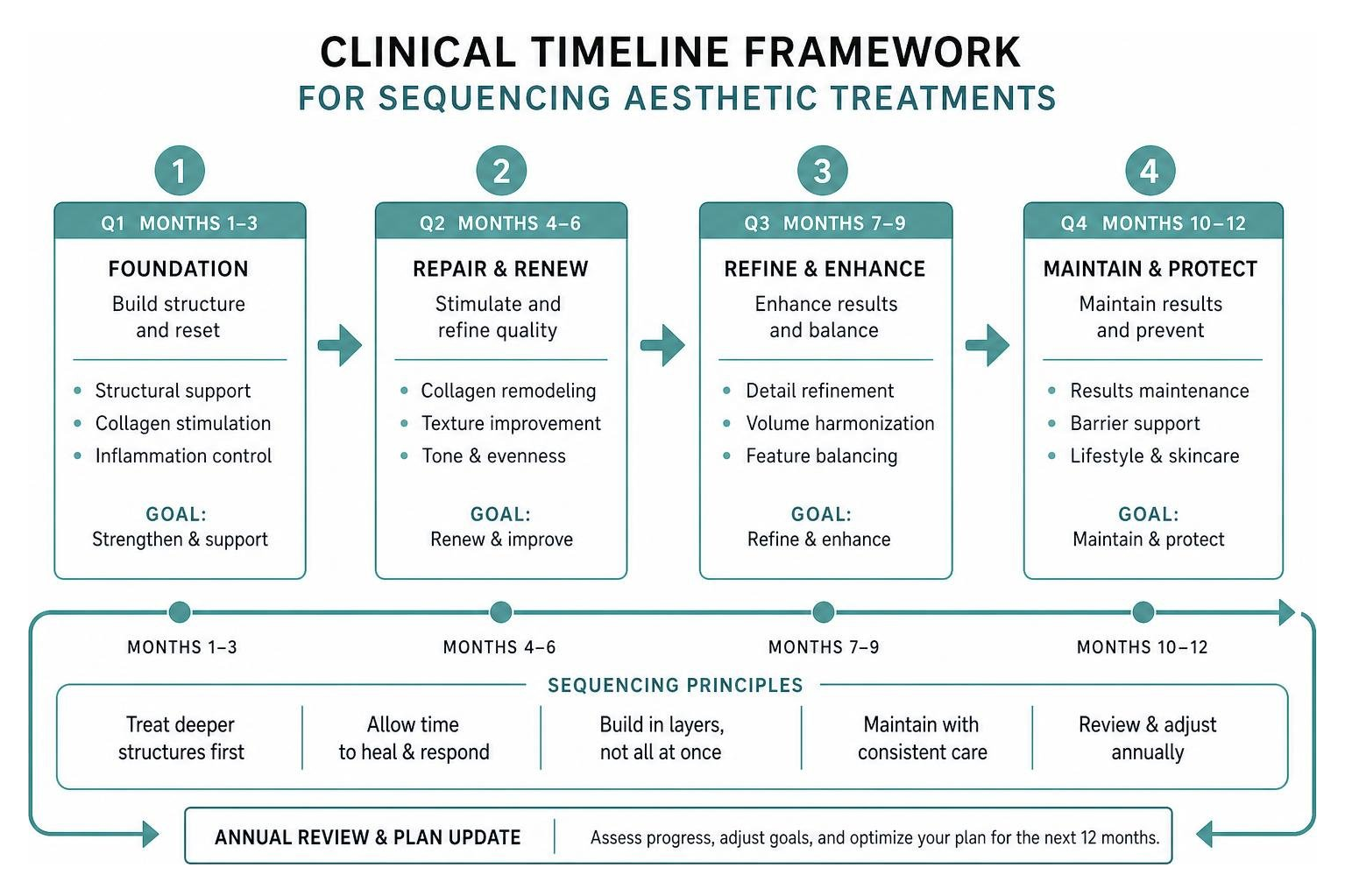
Below is a general reference table comparing common treatments, their standard maintenance frequencies, and typical recovery times. That your exact timeline will always be customized during your personal consultation.
| Treatment Type | Standard Frequency | Typical Recovery & Downtime | Primary Target Layer |
|---|---|---|---|
| Neuromodulators (Botox) | Every 3 to 4 months | Minimal (mild redness for 1-2 hours) | Muscle (Dynamic wrinkles) |
| Dermal Fillers | Every 6 to 18 months | 2 to 7 days (potential swelling/bruising) | Deep Structural / Volumizing |
| Collagen Stimulators | 2-3 initial sessions, then annually | 3 to 5 days (mild swelling) | Deep Dermis / Subcutaneous |
| Skin Boosters | 2 to 4 times per year | 1 to 3 days (tiny papules at injection sites) | Superficial Dermis (Hydration) |
| Laser Skin Resurfacing | 1 to 3 sessions in autumn/winter | 3 to 14 days (redness, peeling, flaking) | Epidermis & Dermis (Texture) |
| Chemical Peels | Every 4 to 6 weeks | 1 to 7 days (light flaking to peeling) | Epidermis (Clarity & Tone) |
Mapping Your Injectables: Botox, Fillers, and Collagen Stimulators
When we look at injectables within a 12-month roadmap, we categorize them by their primary function: muscle relaxation, volume restoration, or biological stimulation.
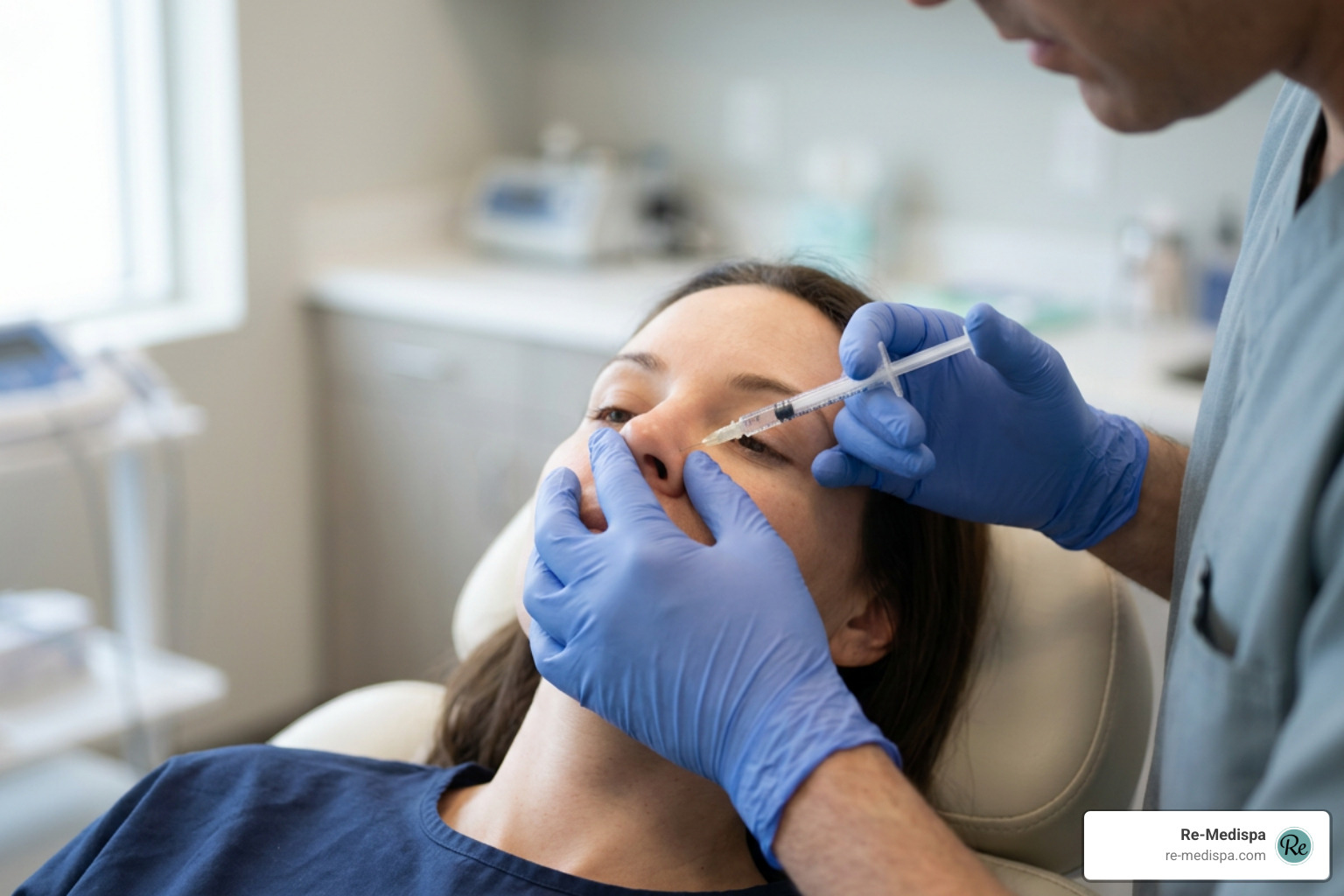
Neuromodulators like Botox work by temporarily relaxing the targeted muscles that cause dynamic expressions. Because Botox results typically last between 3 to 4 months, a standard maintenance plan involves scheduling 3 to 4 appointments per year. Keeping up with this cadence prevents dynamic wrinkles from settling into permanent static lines. Over time, consistent treatments can gradually reduce muscle strength in targeted areas, which can subtly extend the duration of your results.
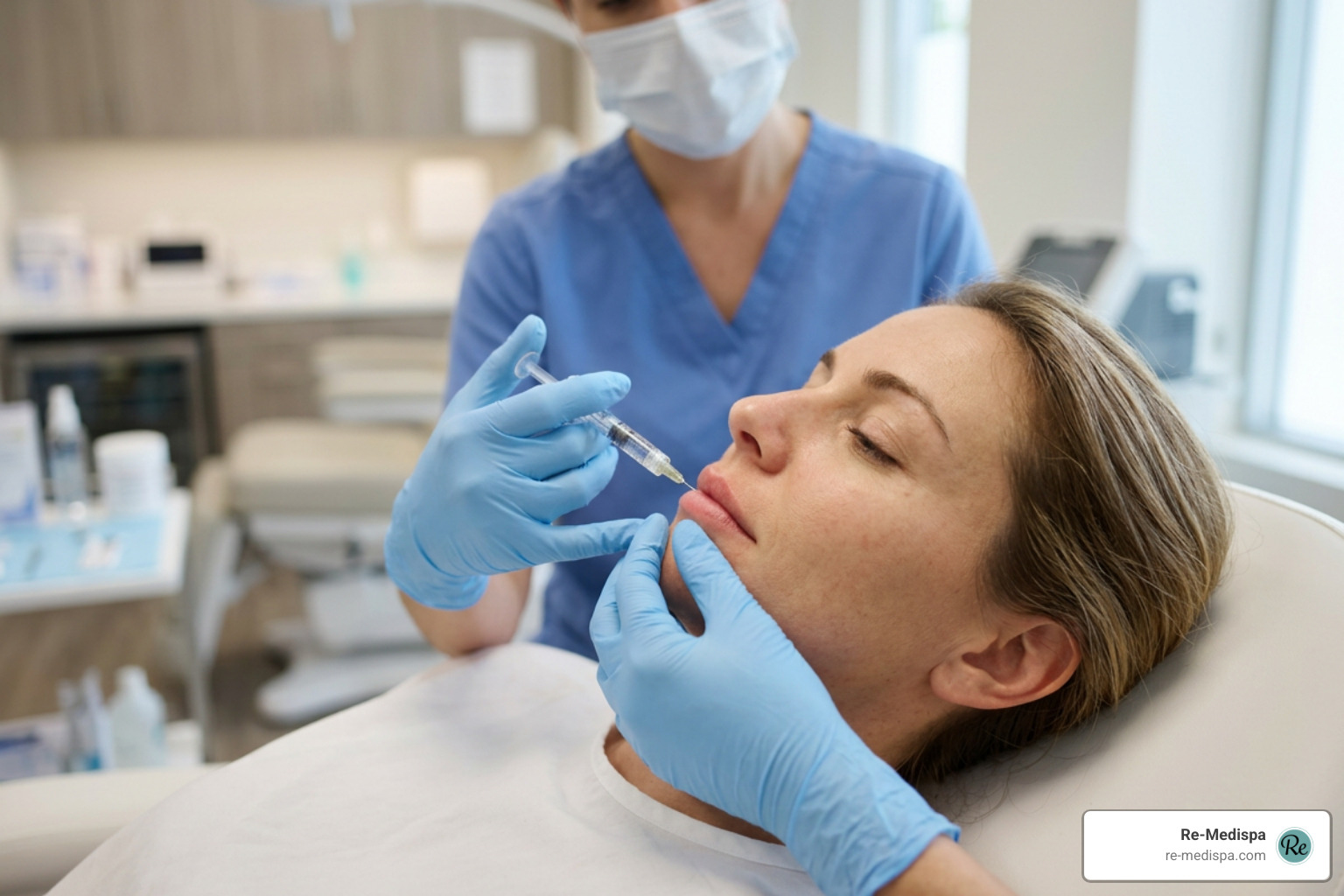
Dermal fillers, on the other hand, are designed to restore lost volume and support facial structures. We use them to lift the mid-face, contour the jawline, or smooth deep folds. Rather than overfilling in a single session, a modern annual plan often utilizes conservative “microdosing” or structural touch-ups every 6 to 12 months. This maintains a natural, balanced appearance without sudden, dramatic changes.
Collagen stimulators, such as Sculptra or Radiesse, represent a longer-term investment in your skin’s biological framework. Unlike traditional fillers that provide immediate volume, these injectables trigger your body’s natural collagen production over several months. A typical initial series requires 2 to 3 sessions spaced several weeks apart, with results gradually maturing and lasting up to two years.
To support these structural enhancements, your skin’s surface must remain healthy, hydrated, and resilient. Learn how to protect your skin barrier by exploring more info about medical-grade skin care.
Timing Lasers and Peels: The Seasonal Skincare Calendar
The weather in Chicagoland changes dramatically throughout the year, and your skincare plan should change with it. A critical part of your annual facial treatment plan review is aligning your appointments with seasonal light levels to protect your skin from post-treatment photosensitivity.
Autumn and winter are universally known in the aesthetic industry as “laser season.” Because the sun is less intense and we spend more time indoors, these cooler months are the ideal time for deeper corrective procedures.
Treatments like IPL photofacials and advanced chemical peels target stubborn sun damage, brown spots, and uneven texture. Because these procedures temporarily compromise the skin barrier and increase UV sensitivity, doing them in the winter significantly reduces the risk of post-inflammatory hyperpigmentation.
Conversely, summer is all about protection and hydration. During the high-sun months, we postpone aggressive resurfacing and focus on summer-safe options. This includes deep-cleansing facials, gentle physical exfoliation, and intensive hydration therapies that keep your skin glowing without leaving it vulnerable to the summer sun.
Tailoring Your Roadmap: Decades-Based Skincare and Anatomy Assessments
Facial aging is a highly individualized process influenced by genetics, lifestyle, and structural shifts. Over time, we experience a combination of skin elasticity loss, bone resorption in the facial skeleton, and the shifting of fat compartments.
Because every face ages differently, there is no such thing as a one-size-fits-all plan. A comprehensive consultation involves assessing your specific facial anatomy and skin quality to build a personalized roadmap.
Understanding your unique skin type is the first step in this process. Find the right starting point for your journey by reading more info on choosing the perfect facial for your skin type.
Preventative Care in Your 30s
In your 30s, the primary goal of an annual plan is “prejuvenation”—preventing the early signs of aging before they become deeply established. During this decade, we focus on maintaining skin hydration, protecting skin elasticity, and addressing the very first fine lines.
A typical annual roadmap in your 30s highlights:
- Preventative Neuromodulators: Light, targeted Botox treatments 3 times a year to soften early expression lines around the eyes and forehead.
- Collagen Preservation: Regular sessions of microneedling to stimulate natural collagen production, improve skin texture, and minimize pore size.
- Superficial Hydration: Quarterly professional facials or light peels to keep cell turnover active and maintain a healthy, radiant skin barrier.
Restorative Strategies in Your 40s and 50s
As we transition into our 40s and 50s, the structural support of the face begins to change more rapidly. Bone resorption and the downward shifting of fat compartments can lead to visible skin laxity, deeper wrinkles, and a loss of definition along the jawline and cheeks.
An annual plan during these decades shifts from pure prevention to strategic restoration and structural support:
- Foundational Volumizing: Utilizing deeper dermal fillers or collagen stimulators to restore structural support to the cheeks, temples, and jawline.
- Targeted Resurfacing: Incorporating advanced laser skin resurfacing during the winter months to address deep wrinkles, sun damage, and overall skin laxity.
- Advanced Skin Remodeling: Sequencing energy-based skin tightening treatments to firm the deeper layers of the dermis, ensuring the skin remains strong enough to beautifully support your natural contours.
Safety, Downtime, and Supporting Your Results at Home
A successful annual plan requires balancing clinical efficacy with your lifestyle and schedule. Advanced aesthetic procedures are highly effective, but they often come with expected recovery times and temporary side effects.
Mild redness, swelling, and bruising are completely normal responses as your tissue heals and regenerates. During your plan review, we carefully space your appointments to ensure your skin has fully recovered before introducing another modality. For example, we recommend waiting at least 2 to 4 weeks after a neuromodulator or filler treatment before undergoing deep needling or aggressive laser resurfacing in the same area. This safety buffer prevents heat interference and allows the injectable products to settle perfectly.
To ensure your safety and achieve the best possible outcomes, always seek care from providers who meet the highest advanced aesthetic training standards.
What you do at home is just as important as what we do in the clinic. A daily, medical-grade home care routine acts as the daily maintenance that preserves and extends your clinical results. Incorporating active ingredients like retinoids, antioxidants (such as Vitamin C), and peptides keeps your skin cells functioning optimally.
Finally, do not underestimate the power of lifestyle factors. Chronic stress, lack of sleep, smoking, and UV exposure actively degrade collagen and elevate cortisol levels, which can shorten the longevity of your treatments. Drinking plenty of water, wearing broad-spectrum sunscreen daily, and maintaining a balanced diet are essential to protecting your aesthetic investment.
Frequently Asked Questions About Your Annual Facial Treatment Plan Review
How do I know if my annual facial treatment plan review needs a mid-year adjustment?
Your skin is a dynamic, living organ that responds to internal and external changes. A mid-year adjustment is often necessary if you experience significant lifestyle shifts (such as high stress, moving, or major dietary changes), notice unexpected skin changes (like sudden dryness or breakouts), or if your tissues respond more quickly or slowly than anticipated to a specific treatment. We check in regularly throughout the year to refine your roadmap as needed.
How often should I schedule an annual facial treatment plan review?
We recommend a formal, comprehensive review once every 12 months. This yearly assessment allows us to compare before-and-after photographic baselines, track your overall progress, evaluate how your skin has responded to the year’s treatments, and design a customized maintenance schedule for the upcoming year.
Can I combine laser skin resurfacing with dermal fillers in the same session?
Generally, we do not recommend performing aggressive laser skin resurfacing and dermal fillers in the exact same treatment area during the same session. The heat generated by energy-based devices can potentially interfere with the newly injected filler, and combining both can compound swelling and delay tissue healing. Spacing these treatments 2 to 4 weeks apart is the safest and most effective approach.
Crafting Your Personalized Aesthetic Journey
At Re-Medispa, we believe that the most beautiful results are gradual, natural, and honest. Under the expert medical direction of Renata Ciszek, we specialize in helping clients across the Northwest suburbs move away from reactive, sporadic treatments and step into a structured, intentional approach to skin health.
Whether you visit us at our Arlington Heights location (37 S Evergreen Ave) or our Harwood Heights location (5128 N Harlem Ave), we take the guesswork out of your aesthetic journey. We pair our clinical expertise with an advanced AI preview tool, allowing you to visualize potential treatment outcomes and plan your year with absolute confidence and clarity.
If you are ready to explore a comprehensive approach to facial rejuvenation, we invite you to learn more about our comprehensive liquid facelift options.
Stop winging your skincare. Contact us at Re-Medispa today to schedule your personalized consultation, and let’s build an annual roadmap that helps you look and feel like yourself on your very best day.