
A Practical Guide to the Best Vitamin C Brightening Facial
A Vitamin C Brightening Facial for a Clearer, More Radiant Look

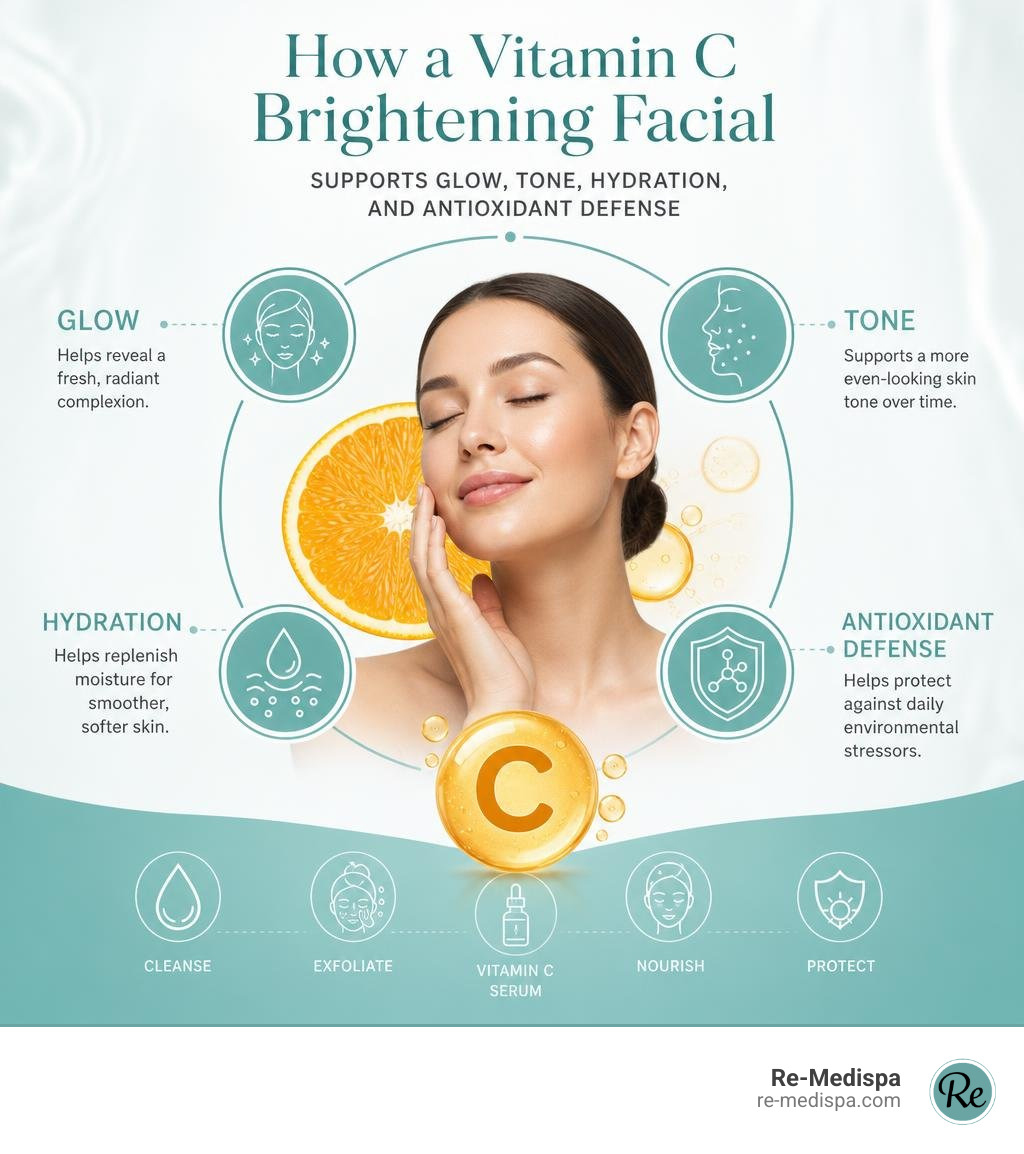
A vitamin c brightening facial is a professional treatment that combines cleansing, gentle exfoliation, and topical antioxidant products to help your skin look more even, hydrated, and luminous. It can be a practical option when dullness, visible sun-related discoloration, or post-breakout marks make your complexion look tired.
Vitamin C helps neutralize free radicals, unstable molecules linked with environmental skin stress, while also supporting collagen, the protein that helps skin stay firm. Many clients notice a fresh glow after treatment, but improvement in uneven tone and texture is usually gradual and varies by skin, lifestyle, and sun protection habits.
At Re-Medispa, a licensed provider should first assess your skin sensitivity, current routine, medications, and goals. Mild temporary tingling or redness can occur, especially when exfoliation is part of treatment. Your provider can tailor the approach to support your skin barrier and keep downtime minimal.
Basic vitamin c brightening facial terms:
Understanding the Science and Benefits of a Vitamin C Brightening Facial
Topical vitamin C is one of the most thoroughly researched ingredients in aesthetic dermatology. When delivered in a professional facial spa environment, it acts as a cellular shield against everyday environmental oxidative stress.
Unstable molecules called free radicals are generated by ultraviolet radiation, ozone, and urban air pollution. These reactive compounds degrade structural proteins within your dermal matrix, leading to premature aging, diminished bounce, and persistent dullness.
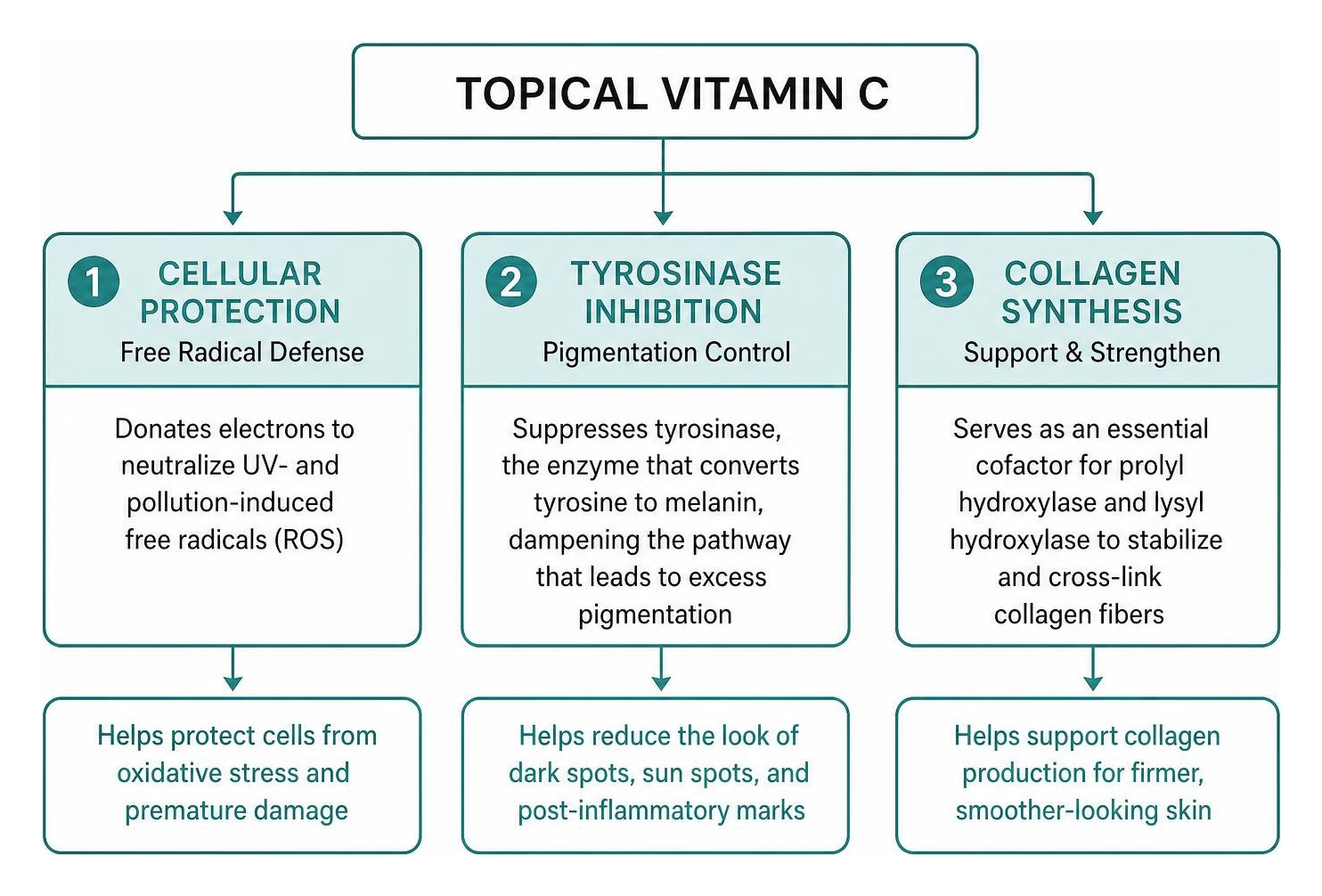
Vitamin C donates electrons to neutralize these free radicals without destabilizing itself. Beyond antioxidant defense, it plays a direct role in addressing pigmentation irregularities.
It suppresses the activity of tyrosinase, the primary enzyme responsible for converting the amino acid tyrosine into melanin. By dampening this enzymatic cascade, professional treatments help minimize visible post-inflammatory marks and sun spots.
Furthermore, L-ascorbic acid serves as an essential cofactor for prolyl hydroxylase and lysyl hydroxylase. These two enzymes stabilize and cross-link collagen fibers, which helps soften fine lines and support long-term skin firmness.
Potent Forms of Vitamin C in Clinical Formulations
Not all vitamin C formulations behave identically on your skin barrier. Pure L-ascorbic acid is biologically active immediately upon contact, but it requires an acidic formulation that can sometimes challenge sensitive skin types.
To provide balance, modern clinical aesthetic medicine utilizes specialized vitamin C derivatives that convert into active ascorbic acid within the skin.
| Vitamin C Derivative | Solubility Profile | Best Suited For | Key Clinical Advantage |
|---|---|---|---|
| Pure L-Ascorbic Acid | Water-Soluble | Normal to Resilient Skin | Immediate biological activity and high antioxidant potency |
| 3-O-Ethyl Ascorbic Acid | Water- and Oil-Soluble | Hyperpigmentation & Dullness | Exceptional chemical stability against light and rapid oxidation |
| Tetrahexyldecyl Ascorbate (THD) | Lipid-Soluble | Dry, Mature, or Sensitive Skin | Deep lipid-layer penetration with minimal surface stinging |
| Ascorbyl Glucoside (AA2G) | Water-Soluble | Sensitive or Reactive Skin | Time-released conversion for gentle, sustained brightening |
Lipid-soluble forms such as tetrahexyldecyl ascorbate readily integrate through your skin’s natural lipid barrier. Meanwhile, stabilized derivatives like 3-O-ethyl ascorbic acid provide exceptional stability against air and light degradation while supporting deep cellular bioavailability.
Synergistic Antioxidants and Stabilizing Complexes
In clinical settings, vitamin C functions most effectively when formulated with synergistic co-antioxidants. Ferulic acid, a plant-based phenolic compound, significantly doubles the photoprotective and stabilizing capacity of pure ascorbic acid.
Vitamin E works in tandem with vitamin C to protect lipid cell membranes from oxidation. When paired with low molecular weight hyaluronic acid, these active solutions replenish cellular moisture reservoirs while maintaining barrier resilience.
Many advanced aesthetic formulations also incorporate potent botanical extracts, such as Kakadu plum, which is recognized as one of nature’s richest sources of organic ascorbic acid. Complementary botanical brighteners, like licorice root extract and arbutin, soothe visible redness while gently refining uneven skin tone.
Professional Protocols: What Happens During Clinical Brightening Treatments
Undergoing a professional brightening treatment in a clinical setting provides deeper transdermal delivery than standard daily topical products. At Re-Medispa, our licensed practitioners customize each phase of your medical skin care protocol based on real-time dermal evaluations.

What to Expect During Your Vitamin C Brightening Facial
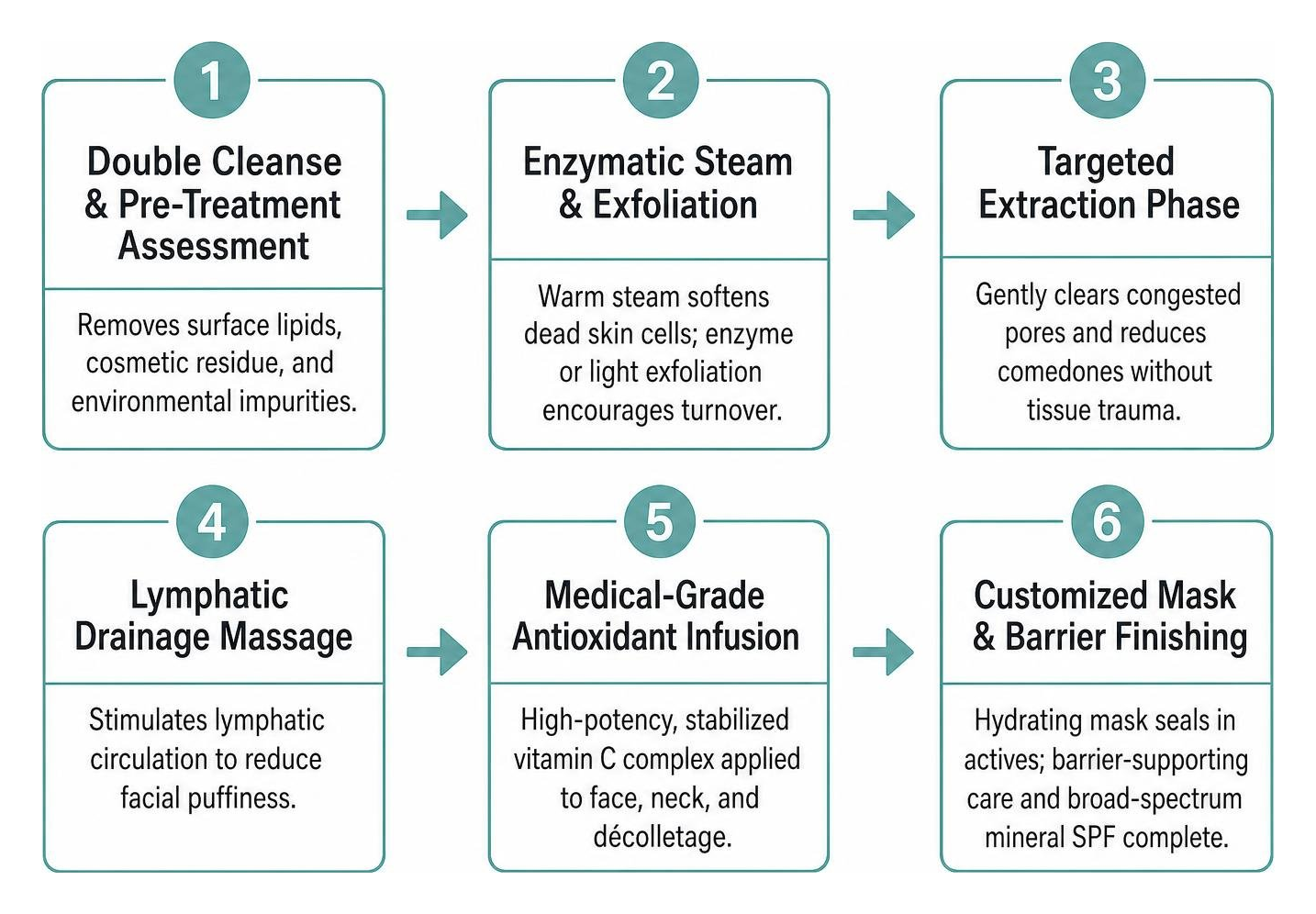
A clinical brightening appointment follows a methodical, barrier-supportive sequence designed to maximize antioxidant absorption without compromising skin integrity:
- Double Cleansing and Pre-Treatment Assessment: Your practitioner removes surface lipids, cosmetic residue, and environmental impurities using a gentle, pH-balanced cleanser.
- Enzymatic Steam and Exfoliation: Warm steam softens keratinized dead skin cells, followed by a targeted enzyme or light exfoliating solution to encourage healthy cellular turnover.
- Targeted Extraction Phase: When appropriate, gentle deep pore cleansing clears congested pores and reduces comedones without causing tissue trauma.
- Lymphatic Drainage Massage: Specialized pressure-point massage techniques stimulate lymphatic circulation, aiding fluid movement to reduce facial puffiness.
- Medical-Grade Antioxidant Infusion: A high-potency, stabilized vitamin C complex is applied across the face, neck, and décolletage.
- Customized Mask and Barrier Finishing: A calming, hydrating mask seals in active nutrients, followed by barrier-strengthening ceramides, hydrators, and broad-spectrum mineral sun protection.
Pairing Antioxidants with Advanced Medispa Modalities
Clinical facials can often be combined with advanced aesthetic technologies to amplify your overall results. Depending on your baseline skin resilience, your practitioner may incorporate physical or mechanical exfoliation.
For instance, learning where to get the best dermaplaning facial in your area can help you discover how removing the outermost layer of dead stratum corneum cells and vellus hair allows topical antioxidants to absorb more evenly.
Similarly, pairing specialized serums with light clinical chemical peels or professional microneedling creates micro-channels that support transdermal infusion. Any combination of advanced modalities must always be assessed and performed by a licensed professional to ensure barrier safety.
Candidate Selection, Safety, and Routine Integration
Determining whether an antioxidant-focused facial is appropriate begins with understanding your unique dermal profile. Reviewing How To Choose The Perfect Facial For Your Skin Type can provide helpful context before meeting with your aesthetician.
Who Is an Ideal Candidate for a Vitamin C Brightening Facial?
Antioxidant facials are suitable for a broad spectrum of skin tones and types across the Fitzpatrick scale. You may be an excellent candidate if you are seeking to address:
- Persistent facial dullness or a tired-looking complexion
- Post-inflammatory hyperpigmentation resulting from resolved blemishes
- Visible photo-damage, uneven tone, or environmental sun spots
- Early fine lines and minor loss of elasticity in mature skin
Safety Considerations, Downtime, and Contraindications
While professional vitamin C treatments are generally well-tolerated, they are not completely free of risks or side effects. Common temporary reactions include mild erythema (redness) and a transient tingling sensation that typically resolves within a few hours.
A vitamin C brightening treatment may not be suitable for individuals with active, open skin lesions, severe eczema flare-ups, or unmanaged rosacea. Clients with an impaired skin barrier should allow the protective stratum corneum to repair before introducing high-potency active ascorbic acid. A localized patch test is always performed by our providers if you have a history of contact dermatitis or heightened sensitivity.
Active Ingredient Compatibility and Staggering Guidelines
Maintaining radiant skin requires careful ingredient coordination at home. Active ingredients like retinoids, benzoyl peroxide, and alpha hydroxy acids (AHAs) must be managed thoughtfully alongside vitamin C.
Benzoyl peroxide can oxidize pure L-ascorbic acid, rendering both formulations less effective when layered simultaneously. Similarly, using high-strength prescription retinoids at the exact same moment as acidic vitamin C can trigger barrier irritation.
We recommend staggering active ingredients: apply your topical antioxidants in the morning under broad-spectrum SPF, and reserve prescription retinoids or acne treatments for your evening regimen.
Frequently Asked Questions About Vitamin C Facials
How quickly will I see visible improvements from a professional brightening treatment?
Many clients notice immediate skin luminosity, increased hydration, and a refreshed glow directly following their appointment. However, significant reductions in persistent dark spots and improvements in collagen density occur gradually over several weeks. Most clients see progressive improvement as the natural epidermal turnover cycle unfolds.
How often should professional vitamin C treatments be scheduled?
Because healthy skin cells renew roughly every 28 to 40 days, scheduling a professional treatment every four to six weeks is standard for maintaining results. However, optimal treatment frequencies and long-term maintenance plans are determined by a licensed provider during your consultation. Incorporating your facials into an annual facial treatment plan helps ensure your skin remains balanced across changing seasonal environments.
Can vitamin C facials cause irritation on sensitive skin?
Pure L-ascorbic acid formulated at low pH levels can produce a mild, transient tingling sensation upon application. If you have sensitive or reactive skin, our licensed providers utilize buffered, stabilized derivatives like ascorbyl glucoside or tetrahexyldecyl ascorbate. These gentle alternatives deliver brightening and antioxidant support without compromising barrier comfort.
Discover Radiant Skin at Re-Medispa
At Re-Medispa, our philosophy centers on providing honest, personalized aesthetic care designed to support long-term skin health. Under the guidance of our Medical Director, Renata Ciszek, our licensed practitioners evaluate your skin barrier, daily routine, and personal aesthetic goals before recommending any treatment plan.
Whether you visit our clinical team in Harwood Heights at 5128 N Harlem Ave or our location in Arlington Heights, we offer customized facials, advanced laser therapies, and medical-grade skin care. We invite you to schedule a consultation with our experienced team to explore a personalized approach for your skin.