
How to Find the Best Facial Treatment for Aging Skin
The best facial treatment for aging skin depends on what you want to improve. Skin-tightening treatments can help with mild laxity, laser resurfacing can target texture and sun damage, microneedling and chemical peels can refresh tone, and injectables may soften expression lines or restore lost volume. A licensed provider should assess your skin type, health history, medications, goals, and available downtime before recommending any procedure.
Aging is more than wrinkles. Over time, collagen, elastin, and hyaluronic acid decline, while facial fat shifts and sun exposure can add spots, roughness, and uneven tone. For busy people who want visible improvement without surgery, a thoughtful, layered plan may address more than one concern while keeping recovery realistic.
Professional treatments can involve temporary redness, swelling, bruising, flaking, or sensitivity. Results and recovery vary, and no nonsurgical option is permanent. At Re-Medispa, treatment choices and timing should always be determined in a clinical consultation with a licensed professional.
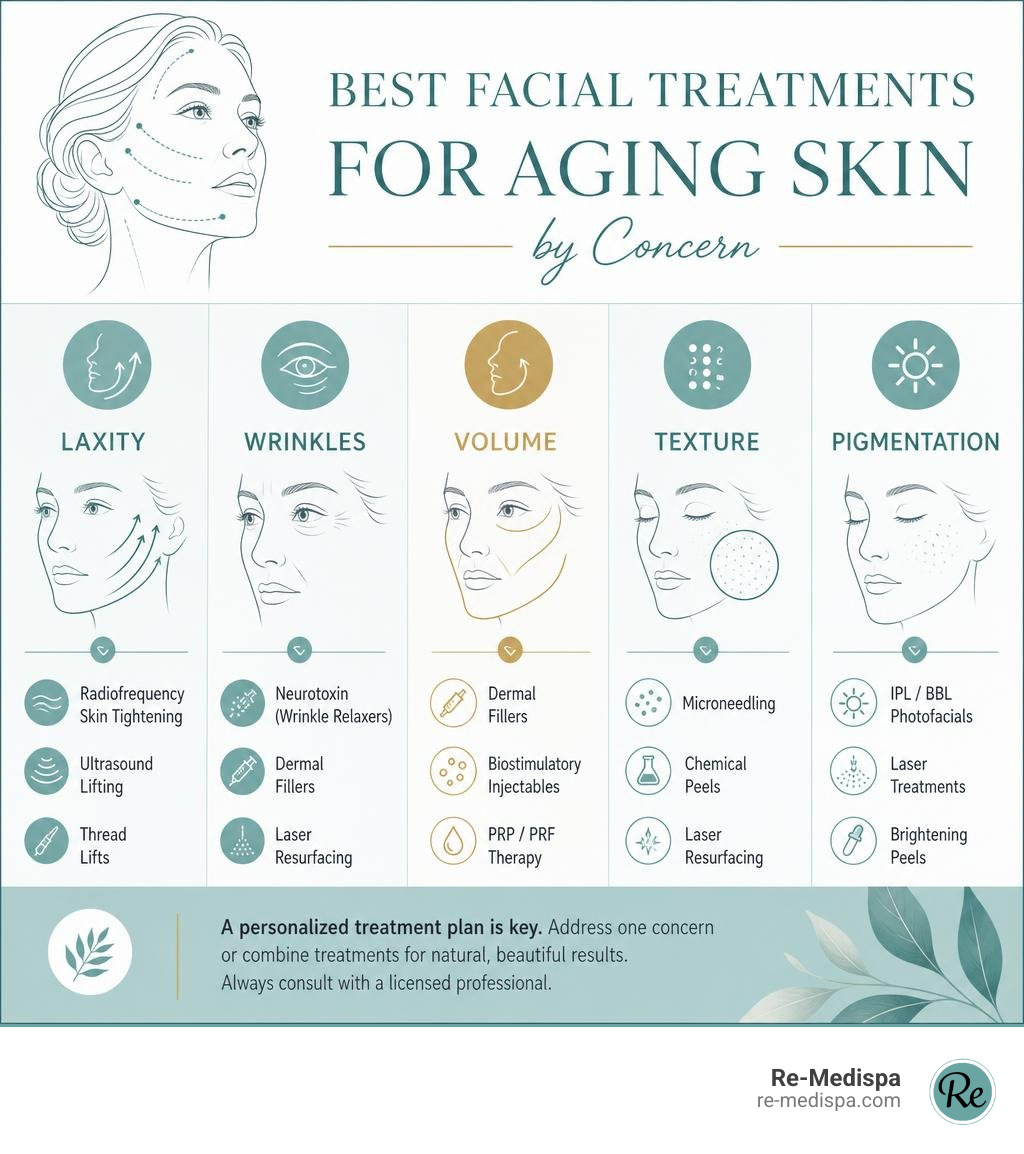
Best facial treatment for aging skin word roundup:
- Collagen Facial Treatment Arlington Heights Benefits
- Annual Facial Treatment Plan Review
- Oxygen Facial Treatment for Glow
Understanding the Primary Drivers of Skin Aging
Facial aging occurs across multiple structural levels. It is not simply a surface issue. The biological process involves both internal cellular shifts and external environmental damage.
Around age 35, our bodies naturally decrease the production of structural proteins. We lose critical collagen, elastin, and hyaluronic acid. These key elements keep youthful skin firm, resilient, and hydrated.
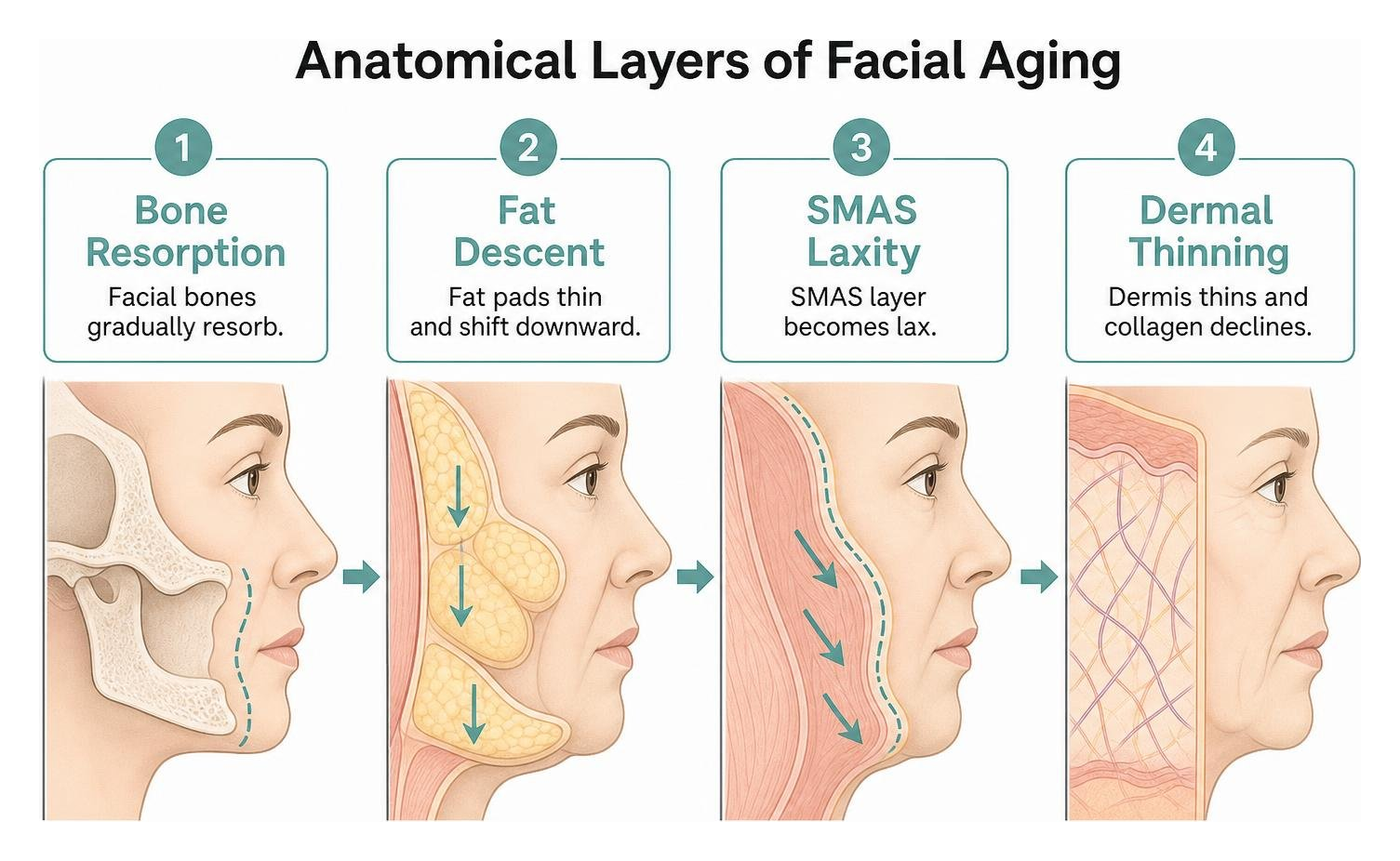
As structural fibers fragment, our skin loses elasticity. At the same time, subcutaneous fat pads thin and shift downward. Even the underlying facial bones experience gradual resorption.
When you combine structural loss with years of repetitive facial expressions, dynamic lines turn into static wrinkles. Daily sun exposure accelerates this process through photoaging. UV rays break down deeper skin proteins and trigger irregular pigmentation.
To achieve balanced rejuvenation, modern aesthetic medicine focuses on addressing all these layers. Clinical research published in Plastic and Reconstructive Surgery – Global Open highlights how multimodal treatment combinations and layering yield more harmonious outcomes than treating a single symptom in isolation.
Finding the Best Facial Treatment for Aging Skin: Top Clinical Procedures
No single machine or syringe can treat every sign of aging. Because skin changes happen across several layers, clinical aesthetics relies on complementary tools.
At Re-Medispa, our licensed practitioners use advanced, FDA-cleared technologies in a safe setting. We select modalities based on the precise depth of tissue that requires support.
Energy-Based Skin Tightening: Ultrasound and Radiofrequency
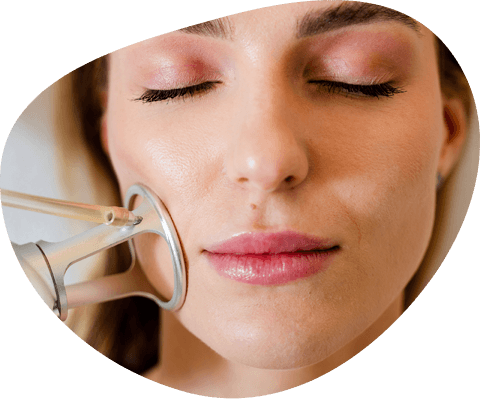
When skin begins to sag along the jawline or brow, energy devices target deeper structural tissue. Ultrasound and radiofrequency technologies heat specific layers of tissue without harming the surface. This controlled thermal energy stimulates natural wound-healing responses and prompts fresh collagen production.
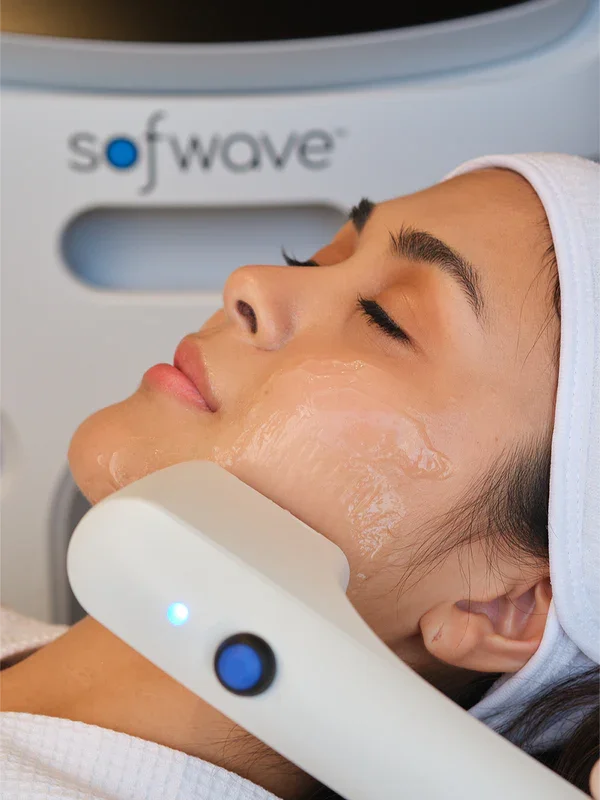
Novel focused ultrasound systems like Sofwave deliver energy precisely into the mid-dermis. This targeted depth contracts existing collagen fibers and encourages tissue tightening.
These therapies offer a non-invasive way to address mild to moderate laxity. If you want to learn how to tighten sagging skin without going under the knife, energy-based lifting is a foundational clinical option.
Laser Skin Resurfacing: The Best Facial Treatment for Aging Skin Texture and Sun Damage
Lasers remain the gold standard for refining surface texture, evening tone, and clearing photodamage. Over years of sun exposure, damaged cells accumulate, leading to coarse wrinkles and hyperpigmentation.
Ablative lasers remove thin outer layers of skin to stimulate rapid tissue remodeling. Non-ablative lasers create microscopic thermal zones deeper down while leaving the outer barrier intact.
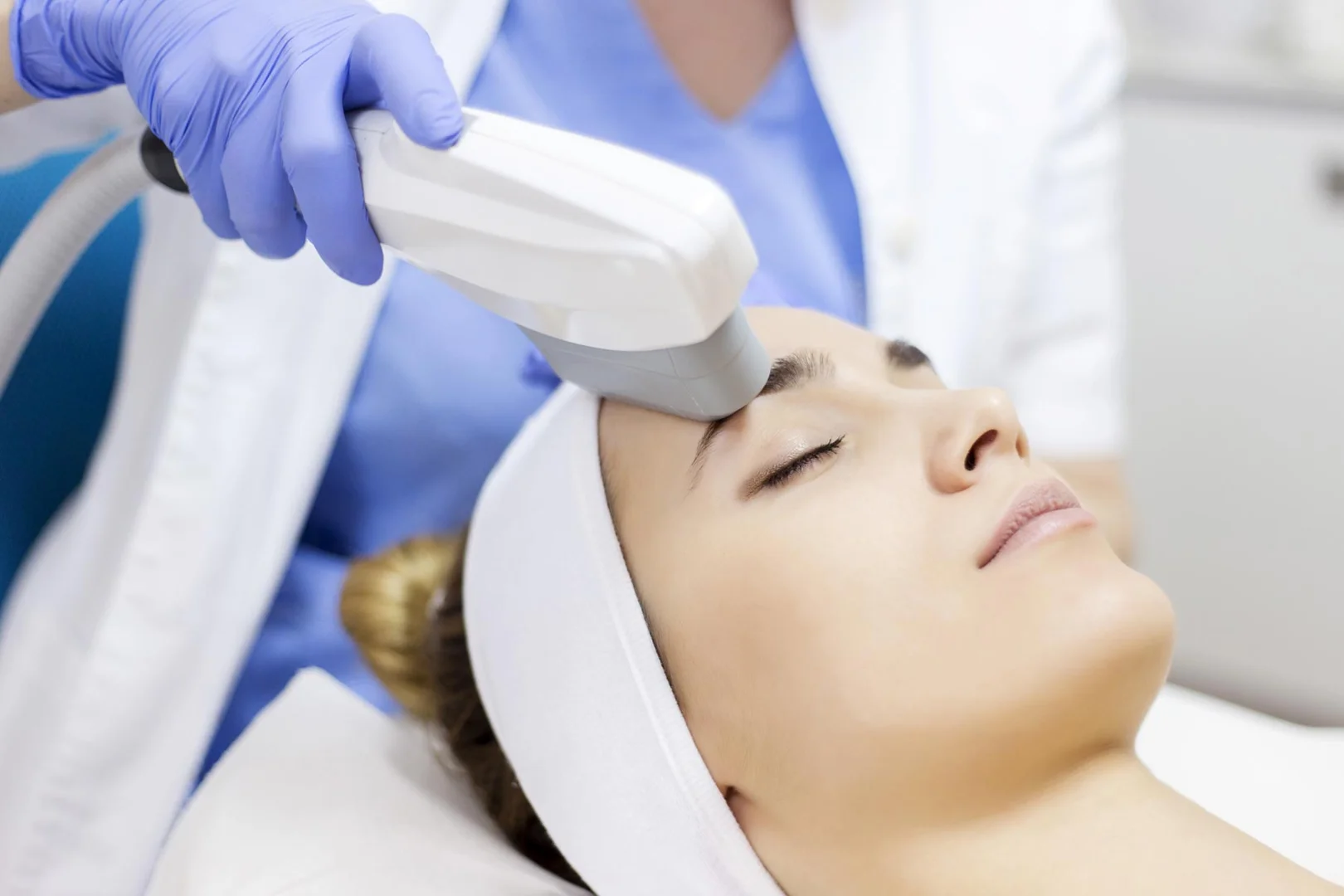
For broader pigment issues and broken capillaries, an IPL photofacial delivers broad-spectrum light pulses to clear sunspots. Meanwhile, targeted laser skin resurfacing smooths stubborn lines and renews dull skin.
Collagen Induction Therapy and Medical-Grade Exfoliation
If your main concerns are early fine lines, enlarged pores, or light pigment irregularities, collagen induction therapy is a strong choice.
Clinical microneedling creates thousands of controlled micro-punctures in the dermis. This controlled micro-injury prompts the body to produce fresh collagen and elastin fibers as it heals.
Medical-grade chemical peels work from the surface down using specialized acid solutions. They accelerate cellular turnover, dissolve dead epidermal layers, and reveal radiant underlying tissue.
Both treatments improve cellular turnover and help your skin better absorb professional topical formulas.
Injectables, Neuromodulators, and Biostimulators
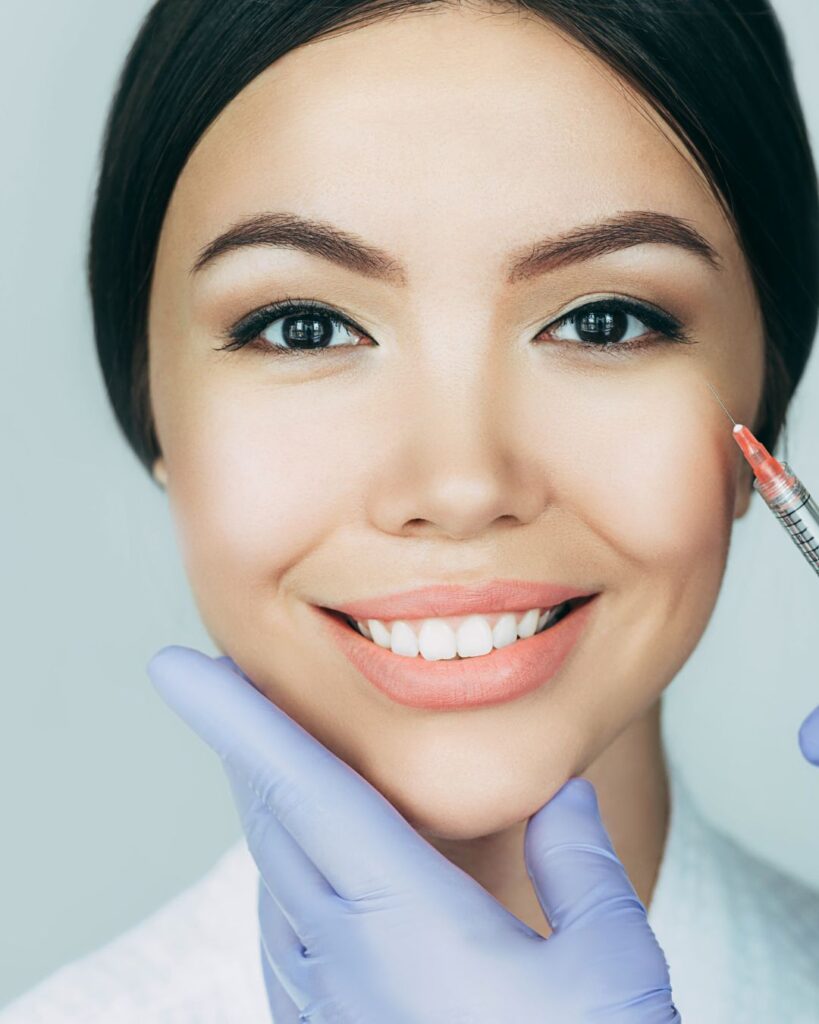
Injectable treatments address structural volume loss and dynamic muscle movement. Neuromodulators relax the facial muscles responsible for expression lines like crow’s feet and frown lines. Effects typically last about three to six months.
Dermal fillers made from hyaluronic acid restore lost volume in the cheeks, temples, and folds. They provide immediate contouring that can last from six months up to two years.
Biostimulators take a different path by prompting your body to rebuild its own scaffolding:
- Sculptra uses poly-L-lactic acid micro-particles to trigger progressive deep-tissue collagen synthesis.
- Radiesse relies on calcium hydroxylapatite microspheres to provide immediate lift while stimulating long-term dermal collagen and elastin.
- Targeted micro-droplet treatments like Skinvive hydrate the dermis internally, boosting smoothness and skin radiance.
How to Layer and Choose Treatments for Your Goals
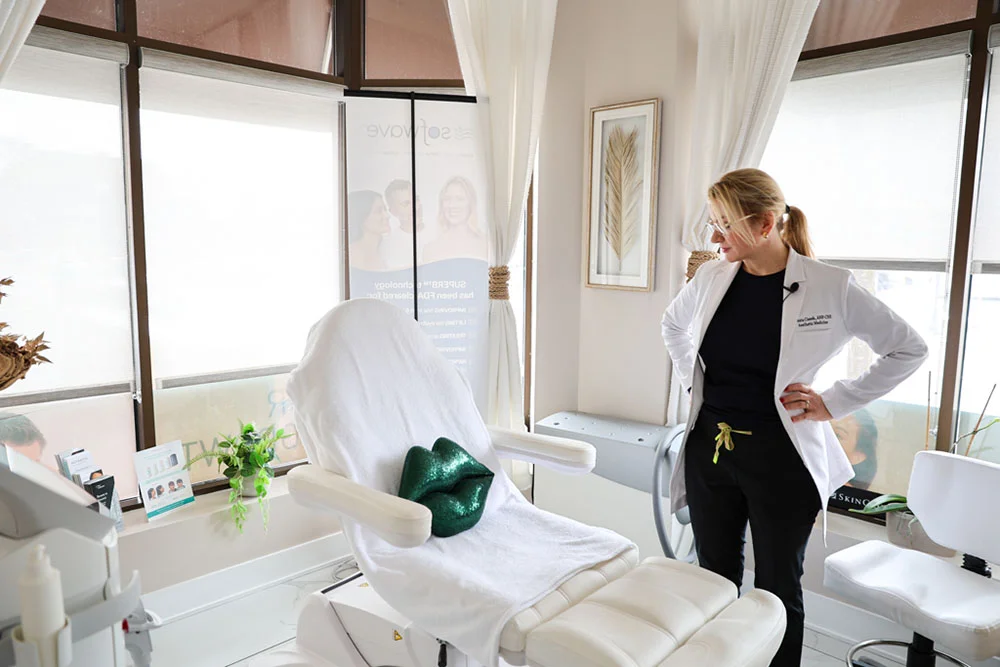
A comprehensive aesthetic plan works much like architectural restoration. You reinforce the foundation before repainting the exterior walls.
Trying to smooth fine surface lines with creams will not correct deeper volume loss. Similarly, filling a hollow cheek will not eliminate surface sunspots.
How to Choose the Best Facial Treatment for Aging Skin Concerns and Skin Types
Selecting the right procedure requires an honest look at your unique anatomy, skin tone, and primary concerns. Your Fitzpatrick skin type is a vital factor in this decision.
Darker skin tones produce more melanin and require carefully calibrated lasers and chemical peels to prevent post-inflammatory hyperpigmentation.
During an in-person assessment, our providers evaluate whether your primary concern stems from structural volume loss, true skin laxity, dynamic muscle contraction, or surface damage. To help clarify your options, explore our guide on how to choose the perfect facial for your skin type.
Medical-Grade Skincare and Daily Maintenance Strategies
Clinical treatments yield the best results when supported by a diligent daily home routine. Daily skincare protects your clinical investment and keeps your skin barrier healthy.
An effective anti-aging home regimen includes:
- Broad-Spectrum Sunscreen: Daily SPF 30+ mineral protection defends against further collagen degradation.
- Topical Retinoids: Vitamin A derivatives speed up cellular turnover and stimulate collagen synthesis.
- Potent Antioxidants: Morning application of topical Vitamin C neutralizes free radicals from pollution and UV rays.
- Barrier Restorative Hydrators: Hyaluronic acid, ceramides, and peptides maintain moisture balance and elasticity.
To avoid guesswork with your regimen, we recommend building a structured routine. You can learn more about aligning your home care and in-office treatments in our guide to an annual facial treatment plan.
Comparing Procedure Downtime, Longevity, and Treatment Cadence
Every facial treatment involves trade-offs between recovery time, appointment frequency, and how long results last. Below is an overview of standard clinical options.
| Treatment Category | Primary Target | Typical Longevity | Common Downtime |
|---|---|---|---|
| Ultrasound Tightening (e.g., Sofwave) | Deep dermal laxity, brow and submental lift | 12 to 18 months | Minimal (mild redness for a few hours) |
| Ablative Laser Resurfacing | Deep wrinkles, photodamage, severe texture | Several years with sun protection | 5 to 14 days (peeling, swelling, oozing) |
| Non-Ablative Resurfacing & IPL | Mild lines, sunspots, vascular redness | 6 to 12 months (series recommended) | 1 to 3 days (mild swelling, darkening spots) |
| Microneedling | Pores, fine lines, skin texture | 4 to 6 months after initial series | 1 to 3 days (sunburn sensation, flaking) |
| Medium Chemical Peels | Dullness, surface pigmentation, fine lines | 3 to 6 months | 3 to 7 days (active skin shedding) |
| Neuromodulators | Dynamic forehead lines, crow’s feet | 3 to 6 months | None to minimal (slight injection-site bumps) |
| Hyaluronic Acid Dermal Fillers | Hollow cheeks, deep folds, volume loss | 6 to 24 months | 2 to 5 days (mild swelling, potential bruising) |
| Biostimulators (Sculptra / Radiesse) | Structural volume loss, global skin laxity | Up to 24+ months | 2 to 4 days (swelling, tenderness) |
Candidacy, Common Side Effects, and Safety Precautions
All clinical procedures carry potential side effects, and some clients may not be good candidates. Honest communication about your medical history is vital for your safety.
Common, temporary side effects across most aesthetic procedures include:
- Mild to moderate erythema (skin redness)
- Localized swelling and tenderness around injection or energy sites
- Minor pinpoint bleeding or localized bruising
- Dryness, tightness, and light skin peeling
Individuals with active skin infections, open wounds, uncontrolled autoimmune conditions, or a history of keloid scarring may need to postpone or avoid certain treatments. Patients who are pregnant, nursing, or currently taking specific medications (such as oral isotretinoin) should avoid ablative lasers, deeper peels, and injectables. A licensed practitioner will confirm your candidacy during your consultation.
Essential Questions to Ask Your Aesthetic Provider
Before moving forward with any aesthetic procedure, ensure you understand the details of your care. Bring these questions to your consultation:
- Are you a board-certified clinician or licensed aesthetic specialist operating under direct medical supervision?
- Is this specific technology or injectable FDA-cleared and appropriate for my specific skin tone?
- What are the most common risks, side effects, and expected recovery milestones for this procedure?
- What pain management or topical numbing options are used during the appointment?
- How many treatment sessions will I need to see visible improvement, and what is the recommended maintenance schedule?
- Can I see before-and-after photos of actual clients with similar facial anatomy and skin concerns?
Frequently Asked Questions About Facial Rejuvenation
How long do the results of nonsurgical facial treatments typically last?
Results depend on the treatment type, your metabolic rate, and your lifestyle. Neuromodulators generally smooth expression lines for 3 to 6 months. Hyaluronic acid dermal fillers last between 6 and 24 months, depending on the product thickness and injection area.
Energy treatments like ultrasound and biostimulatory injections stimulate your body’s own collagen synthesis. These improvements develop gradually over 2 to 6 months and can last up to 2 years. However, natural biological aging continues, so periodic maintenance visits help sustain your results.
What are the most common temporary side effects associated with clinical anti-aging treatments?
The most common side effects are temporary redness, localized swelling, mild bruising, and surface flaking. Energy treatments may cause temporary warmth and mild tenderness under the skin for a few days.
Laser resurfacing and medium peels produce controlled surface shedding, requiring gentle post-care balms and sun avoidance. These reactions are normal parts of the healing and remodeling response. Following your clinician’s aftercare instructions helps minimize complications.
When are surgical interventions considered instead of nonsurgical facials?
Nonsurgical treatments are effective for mild to moderate skin laxity, fine lines, volume loss, and surface sun damage. However, non-invasive procedures cannot replicate the results of surgery when there is significant excess, sagging skin.
When a client presents with heavy jowls, severe neck banding, or redundant eyelid skin, surgical options like a facelift or blepharoplasty may be the most appropriate choice. A licensed medical provider will evaluate your tissue laxity honestly and let you know whether your aesthetic goals require a surgical referral.
Re-Medispa’s Approach to Rejuvenation
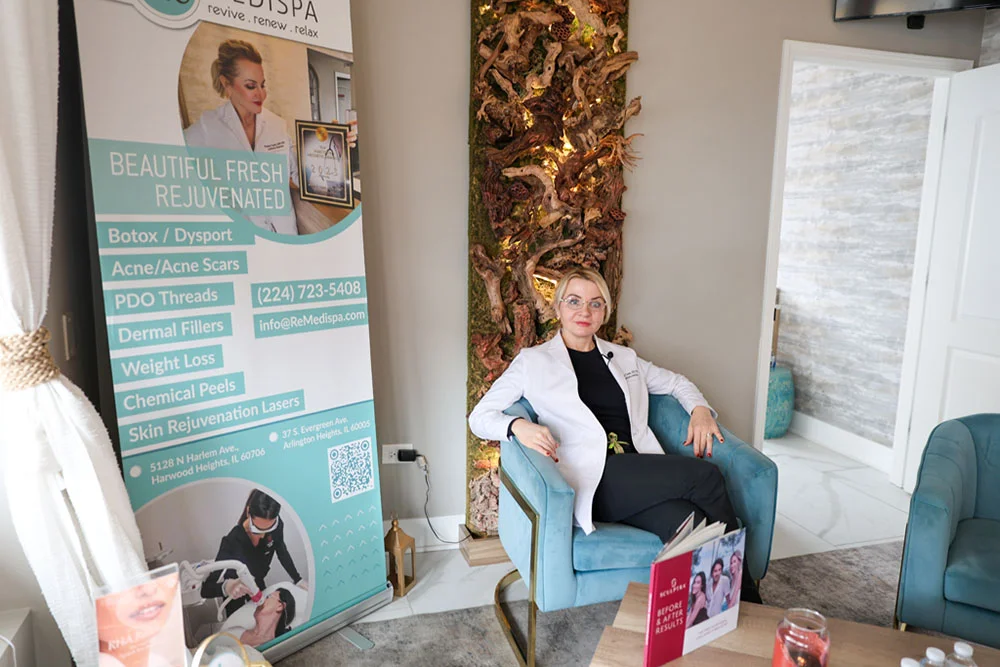
Facial rejuvenation is not about freezing your features or chasing unrealistic trends. Our goal is to enhance your natural contours and support long-term skin health. At Re-Medispa, under the guidance of Medical Director Renata Ciszek, our team develops tailored, honest treatment plans.
Every face ages differently. We take the time to evaluate your unique anatomy, skin health, and personal aesthetic goals. Whether you want to smooth fine lines, restore lost volume, or refresh sun-damaged skin, we offer advanced, FDA-cleared options. For clients looking for balanced, multi-layer rejuvenation without surgery, a personalized liquid facelift can restore youthful facial contours.
We invite you to schedule a consultation with our experienced providers at our Arlington Heights clinic (37 S Evergreen Ave) or our Harwood Heights location (5128 N Harlem Ave). Together, we will build a thoughtful aesthetic plan designed for your goals.