
An Essential Guide to the Best Facial for Glowing Skin
Find the Best Facial for Glowing Skin
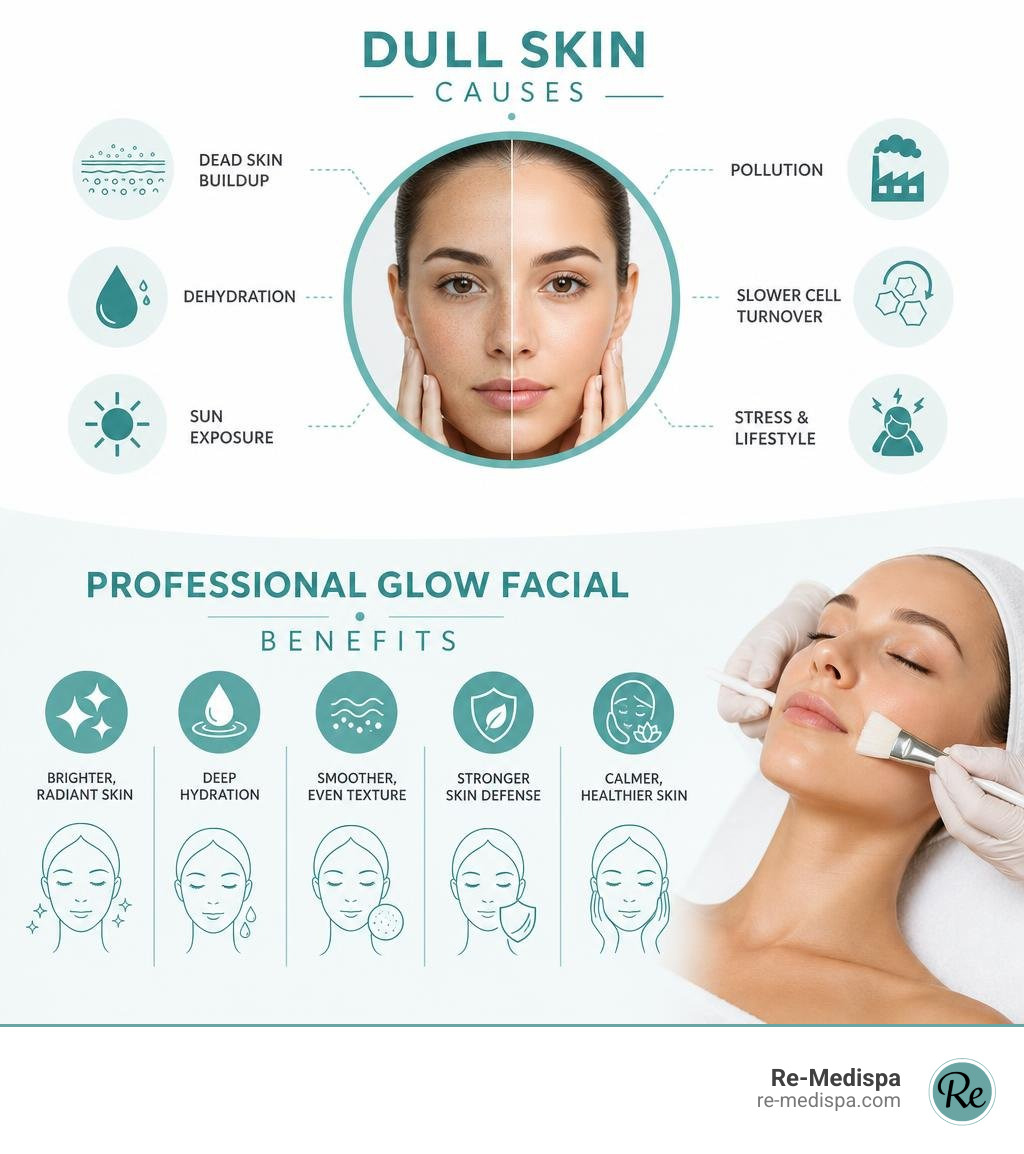
The best facial for glowing skin depends on why your complexion looks dull. For fast, low-downtime radiance, a licensed provider may recommend a professional treatment that combines gentle exfoliation, deep hydration, antioxidant support, and calming light therapy. These steps can smooth the skin’s surface so it reflects light more evenly and looks fresher.
Dullness often comes from dead skin-cell buildup, dehydration, sun exposure, pollution, and slower cell turnover. The right clinical facial can address these concerns without a one-size-fits-all approach. At Re-Medispa, a licensed provider should assess your skin type, tone, sensitivities, health history, and event timeline before recommending treatment. Many clients see a visible improvement in hydration and brightness, though results and recovery needs vary by procedure.
Related content about best facial for glowing skin:
- oxygen facial treatment for glow
- collagen facial treatment arlington heights benefits
- skin facials near me
Understanding What Makes the Best Facial for Glowing Skin
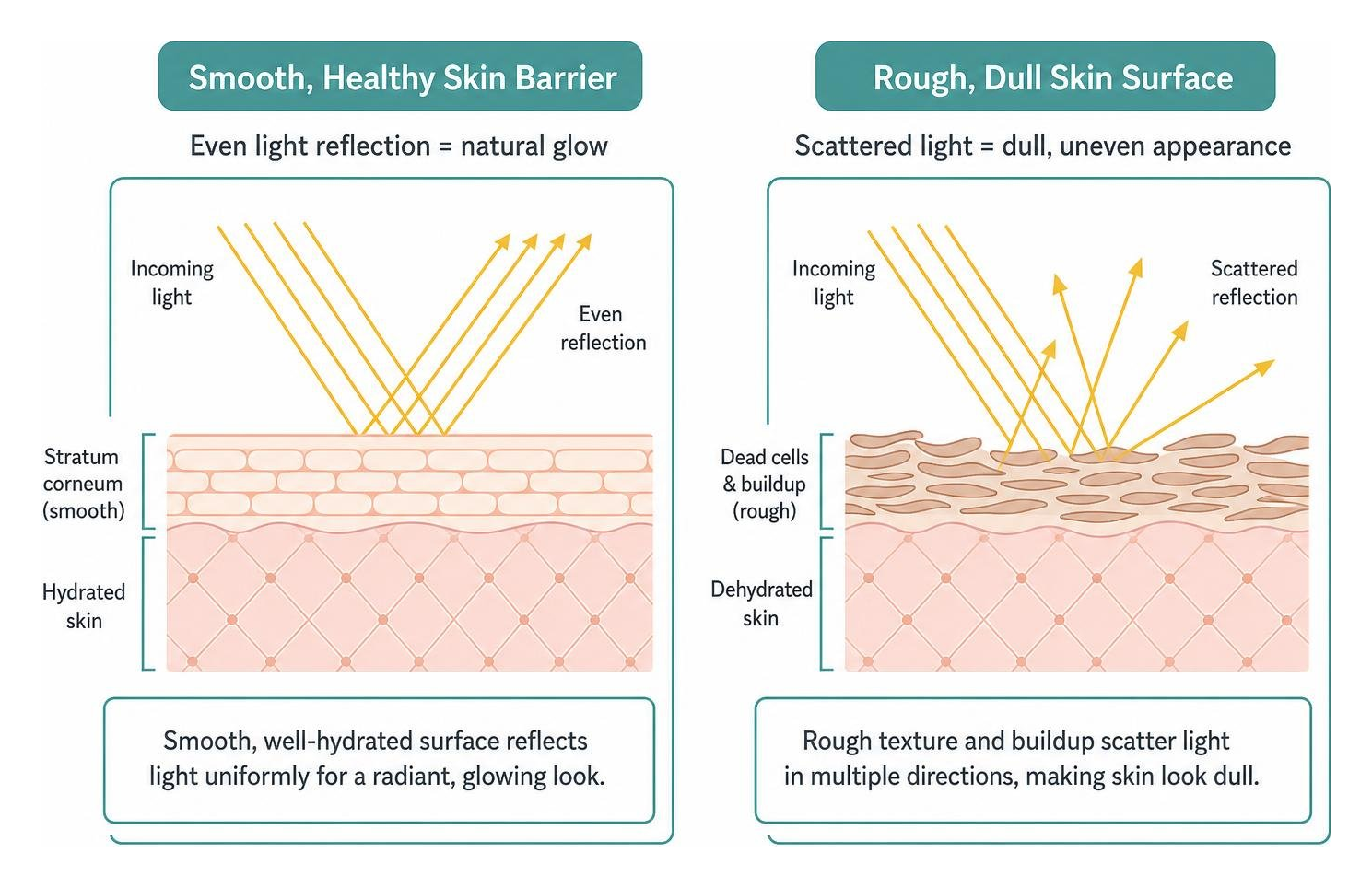
True skin radiance is rooted in physics and cellular biology. When the outermost layer of your skin—the stratum corneum—is smooth, hydrated, and free of excess dead cells, it reflects light uniformly. This reflection creates the luminous, dewy look often referred to as a natural glow.
Professional clinical facials target multiple skin depths simultaneously. By clearing surface debris, increasing cellular turnover, and infusing concentrated actives, these therapies support structural hydration and microcirculation. To discover which specific approach aligns best with your unique baseline, explore How to Choose the Perfect Facial for Your Skin Type.
Why Skin Loses Its Natural Glow
Skin dullness rarely stems from a single factor. Over time, your natural desquamation process—the rate at which your body sheds dead skin cells (corneocytes)—gradually slows down. When these dead cells accumulate on the surface, they scatter light rather than bouncing it back, making the complexion appear rough and flat.
Environmental stressors also play a major role in robbing skin of its vitality. Daily exposure to ultraviolet (UV) radiation and airborne particulate pollution generates free radicals that break down healthy collagen and weaken your natural moisture barrier. When the lipid barrier becomes dehydrated and compromised, water escapes quickly, leaving your skin parched, uneven, and lackluster.
Medical-Grade Facials vs. Basic Spa Facials
While standard salon facials provide a relaxing experience, their benefits are primarily superficial and temporary. Day spa facials generally focus on gentle surface steaming, light massage, and over-the-counter masks that do not penetrate past the uppermost layers of the epidermis.
In contrast, medical-grade facials are performed by licensed professionals in a clinical environment using potent, highly stabilized active ingredients and specialized devices. These clinical treatments enhance transdermal delivery, reaching deeper epidermal layers to correct underlying texture, pigment irregularities, and cellular dehydration. The result is a more dramatic, long-lasting improvement in overall skin clarity and health.
Top Professional Treatments to Achieve a Radiant Complexion
Because individual skin profiles differ significantly, medical aesthetic practices utilize several established modalities to restore luminosity. Each treatment targets specific physiological mechanisms, ranging from mechanical exfoliation to thermal collagen stimulation.
| Treatment Modality | Primary Glow Mechanism | Downtime Level | Ideal Skin Concern |
|---|---|---|---|
| Dermaplaning | Physical stratum corneum exfoliation & vellus hair removal | Zero downtime | Rough texture, peach fuzz, dull surface |
| Chemical Peels | Acid-mediated desquamation & cellular turnover | 1 to 5 days (mild flaking) | Hyperpigmentation, sun damage, uneven tone |
| Microneedling / RF | Micro-wound healing & deep collagen induction | 1 to 3 days (mild redness) | Loss of firmness, fine lines, acne scarring |
| Oxygen Infusion | Pressurized transdermal hydration & nourishment | Zero downtime | Dehydration, fatigue, pre-event prep |
| Laser / IPL | Selective photothermolysis of pigment & vascular lesions | 2 to 7 days (mild peeling/darkening) | Sunspots, redness, visible facial veins |
Dermaplaning as the Best Facial for Glowing Skin and Smooth Texture
Dermaplaning uses a sterile, medical-grade surgical blade held at a precise angle to gently scrape away dry, dead corneocytes along with fine vellus hair (commonly known as peach fuzz). Because it relies on physical exfoliation rather than chemical agents, it is safe across virtually all skin tones.
Removing this surface layer immediately refines texture, allowing post-treatment serums to penetrate more effectively and makeup to sit flawlessly. Many clients love that this procedure provides instant brightness without redness or recovery periods. If you want to learn more about this smooth-finish option, find out where to get the best dermaplaning facial in your area.
Medical Chemical Peels for Tone and Texture Refinement
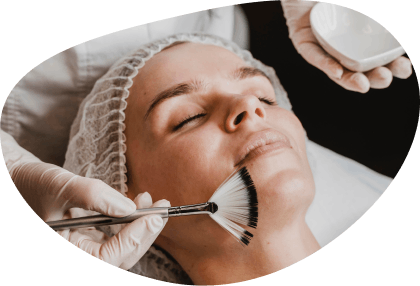
Medical-grade chemical peels use clinical solutions containing alpha hydroxy acids (AHAs) like glycolic and lactic acid, or beta hydroxy acids (BHAs) like salicylic acid. These solutions dissolve the biological “glue” binding dead cells together, triggering controlled cellular desquamation.
By accelerating this shedding process, chemical peels help fade stubborn hyperpigmentation, smooth fine lines, and clarify congested pores. Peels range in strength from superficial refreshers to medium-depth formulas. Your aesthetician will evaluate your skin condition to select the exact acid balance and concentration appropriate for your needs.
Microneedling and Radiofrequency for Deep Collagen Renewal
Microneedling creates thousands of microscopic, controlled micro-punctures in the skin using ultra-fine, sterile needles. This process stimulates your body’s natural wound-healing cascade, triggering fibroblasts to generate fresh, healthy collagen and elastin fibers over the following weeks.
When paired with radiofrequency (RF) energy, gentle thermal heat is delivered deep into the dermis to enhance tissue tightening and structural renewal. This dual approach addresses deeper textural flaws and loss of elasticity. To learn more about how collagen-stimulating therapies firm and revive aging skin, read the ultimate guide to collagen facial treatment benefits in Arlington Heights.
Oxygen Infusion and Deep Hydration Facials
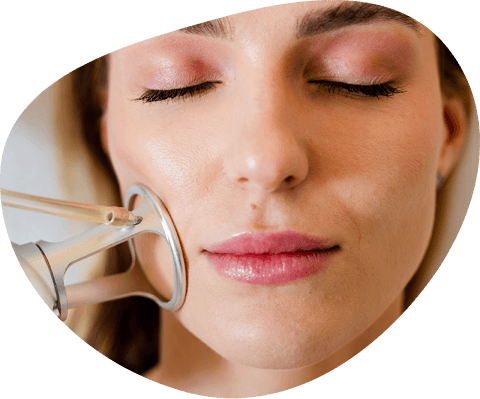
Oxygen facials deliver a continuous stream of pressurized, medical-grade oxygen combined with specialized botanical extracts and multi-weight hyaluronic acid. This pressurized delivery pushes essential nutrients directly into the superficial layers of the skin, instantly relieving cellular dehydration.
This non-invasive therapy plumps fine surface lines, calms redness, and imparts a dewy, glass-like sheen with zero downtime. To understand how pressurized delivery systems boost your complexion, check out our guide on what to expect from an oxygen facial treatment.
Laser Skin Resurfacing and IPL Photorejuvenation
Laser resurfacing and Intense Pulsed Light (IPL) photorejuvenation use targeted light energy to treat pigmentary and vascular imperfections that cause skin to look muddy or uneven. IPL emits broad-spectrum light pulses absorbed by excess melanin (brown spots) and hemoglobin (broken capillaries), safely breaking them down so the body can eliminate them naturally.
Fractional laser resurfacing targets damaged surface skin, encouraging healthy, evenly toned tissue to replace it. These light-based therapies offer a noticeable, uniform glow by clearing discoloration and evening out facial tone. You can compare distinct clinical approaches by reviewing the best laser facial providers after weight loss in Harwood Heights compared.
Key Clinical Ingredients and Technologies in a Radiance Facial
Achieving a luminous complexion relies on pairing physical and device-led exfoliation with advanced, medical-grade topical formulations. Applying high-performance actives to freshly exfoliated skin maximizes ingredient absorption and cellular support.
High-Potency Vitamin C and Antioxidant Infusions
L-ascorbic acid (pure Vitamin C) is one of the most thoroughly researched and effective brightening ingredients in modern aesthetic medicine. When applied topically during a clinical facial, high-potency Vitamin C acts as a powerful free radical scavenger, shielding skin cells from oxidative stress.
Beyond antioxidant protection, Vitamin C suppresses tyrosinase, the key enzyme responsible for melanin synthesis. This mechanism prevents new dark spots from forming while gradually brightening existing discoloration. It also serves as an essential cofactor in collagen synthesis, reinforcing dermal strength and delivering a noticeable radiance boost.
Multi-Weight Hyaluronic Acid and Barrier Peptides
Hydration is the foundation of light reflection. Hyaluronic acid is an exceptional humectant capable of holding up to 1,000 times its molecular weight in water. Clinical facials frequently utilize formulations containing multi-weight hyaluronic acid molecules:
- Low-molecular-weight hyaluronic acid: Penetrates deeper into the epidermal layers to hydrate skin from within and provide sustained plumping.
- High-molecular-weight hyaluronic acid: Forms a breathable, protective hydration shield on the skin surface to prevent trans-epidermal water loss (TEWL).
These hydrating layers are often combined with barrier-repairing peptides and niacinamide (Vitamin B3) to soothe inflammation, strengthen the lipid barrier, and maintain a calm, balanced complexion.
Non-Thermal Red LED Light Therapy
Light Emitting Diode (LED) therapy uses specific non-thermal wavelengths of red light (typically 630 to 660 nanometers) to energize skin cells. This light penetrates into the dermis without causing thermal injury or discomfort.
Once absorbed by cellular photoreceptors, red light stimulates the mitochondria to produce higher levels of adenosine triphosphate (ATP)—the primary energy currency of cells. This surge in cellular energy accelerates collagen synthesis, enhances blood circulation, and reduces post-treatment inflammation, leaving your complexion looking refreshed and calm.
Candidacy, Side Effects, and Safety Considerations
While non-invasive facial treatments are generally well-tolerated, they are not entirely without risk. Your safety depends on selecting treatments that match your skin type, medical history, and current skin condition.
Potential Side Effects and Downtime
Most clinical glow facials carry minimal recovery requirements, but temporary side effects can occur depending on the intensity of the treatment:
- Mild Erythema (Redness): Commonly seen after dermaplaning, microneedling, or light chemical peels, typically resolving within a few hours to two days.
- Transient Flaking or Peeling: Often occurs two to four days after chemical peels as dead cells slough away.
- Temporary Sensitivity: Skin may feel slightly warm, tight, or tender to the touch immediately following treatment.
- Post-Inflammatory Hyperpigmentation (PIH): A potential risk with aggressive lasers or deep peels, particularly in deeper skin tones if improper settings are used.
Who Should Postpone or Avoid Certain Facials
Certain skin conditions and medical histories require postponing or modifying clinical facial procedures:
- Active Acne Breakouts or Infections: Dermaplaning and microneedling must be avoided over active, inflamed acne pustules, open wounds, cold sores, or active skin infections to prevent spreading bacteria.
- Current Oral Isotretinoin Use: Individuals who have taken isotretinoin within the past six months should avoid aggressive chemical peels, microneedling, and ablative lasers due to delayed healing.
- Autoimmune or Connective Tissue Disorders: Clients with conditions that impair healing must receive medical clearance before undergoing collagen-induction therapies.
- Pregnancy and Nursing: Certain chemical peel acids (such as high-concentration salicylic acid) and specific active ingredients must be excluded.
A thorough, one-on-one consultation with a licensed professional is required before starting any new aesthetic regimen.
Tailoring Radiant Skin Treatments by Skin Concern and Event Timelines
Timing plays a critical role when preparing your skin for a major milestone such as a wedding, gala, or photoshoot. Scheduling treatments strategically ensures your skin achieves peak radiance right on time.
Pre-Event Glow Protocols with Zero Downtime
For an event occurring within 48 to 72 hours, the primary objective is maximizing surface hydration and light reflection without triggering redness or flaking. In this timeframe, licensed aesthetic providers prioritize gentle, zero-downtime treatments:
- Dermaplaning combined with Oxygen Infusion: Safely removes dead skin cells and peach fuzz while infusing moisture, creating an exceptionally smooth canvas for seamless makeup application.
- Gentle Enzyme Polish and Red LED Therapy: Refines texture and stimulates microcirculation without compromising your moisture barrier.
Customizing the Best Facial for Glowing Skin for Events and Weddings
If you have several weeks or months before a significant occasion, your provider can design a progressive treatment series. Staging treatments over time delivers deeper, compounding benefits for tone and texture:
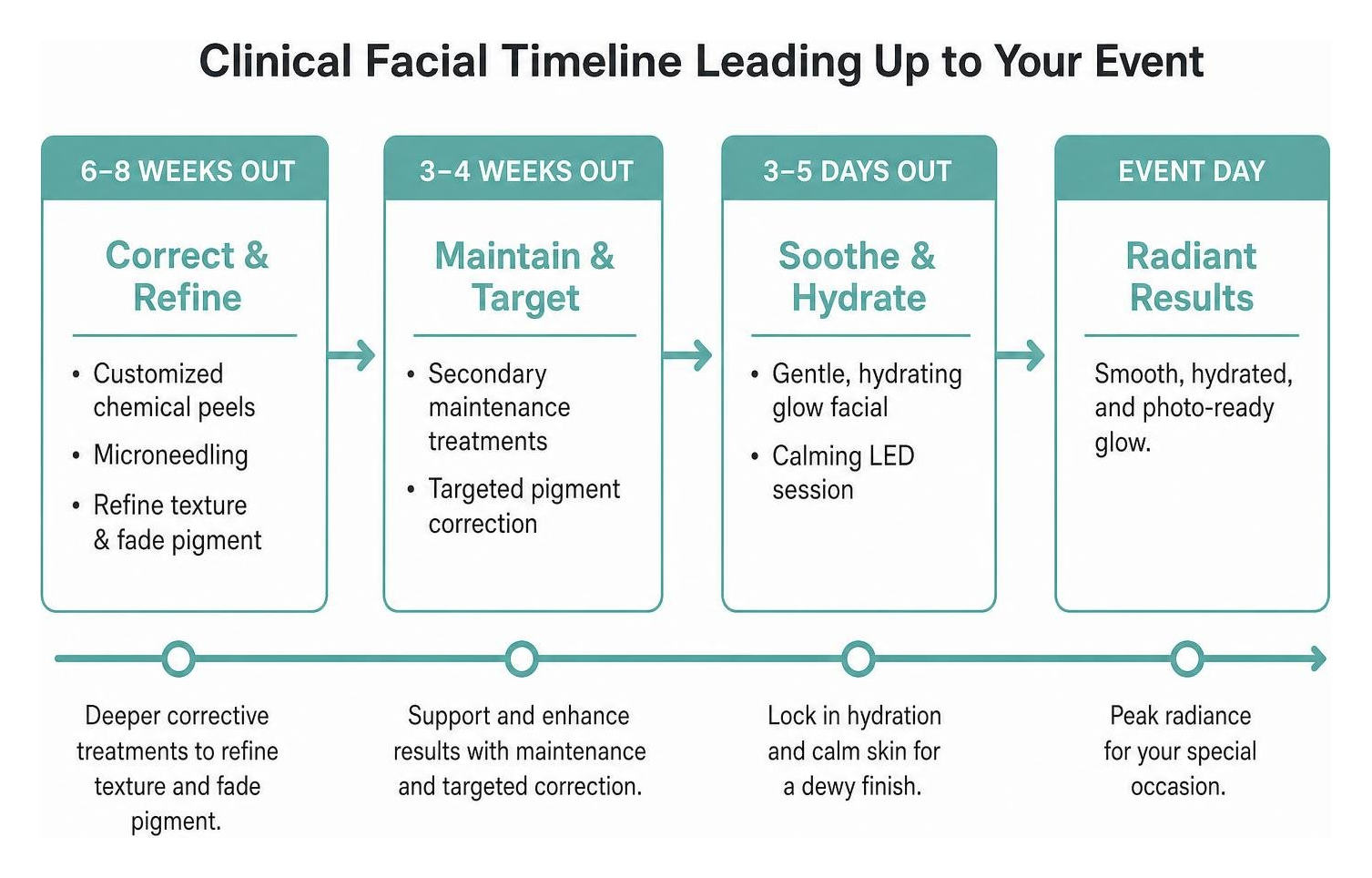
- 6 to 8 Weeks Out: Initiate deeper corrective treatments such as customized chemical peels or microneedling to refine texture and fade pigment.
- 3 to 4 Weeks Out: Administer secondary maintenance treatments or targeted pigment correction.
- 3 to 5 Days Out: Complete the journey with a gentle, hydrating glow facial and calming LED session to lock in dewy radiance.
If you are planning your skincare timeline, consider the benefits of wellness facials designed to restore radiance to support long-term skin health.
Maintaining Long-Term Luminosity with Professional Care
Sustaining a healthy, lasting glow requires regular maintenance aligned with your skin’s natural 28-to-40-day renewal cycle. Periodic professional facials clear away built-up cellular debris and replenish deep moisture before dullness returns.
To protect your in-clinic results, follow a consistent, medical-grade daily skincare routine. Applying a broad-spectrum sunscreen with SPF 30 or higher every morning is essential to shield fresh skin cells from UV-induced photoaging. For structured long-term guidance, explore establishing an annual facial treatment plan with your aesthetician.
Frequently Asked Questions About Facials for Glowing Skin
How soon before a major event should a glow facial be scheduled?
For zero-downtime facials—such as dermaplaning paired with oxygen infusion or calming LED therapy—the ideal window is 3 to 5 days before your event. This allows any subtle warmth or reactivity to completely subside while your skin remains at peak hydration and radiance. Corrective treatments like deeper chemical peels or microneedling should be completed at least 3 to 4 weeks prior.
Is a clinical glow facial safe for darker skin tones?
Yes, provided the treatments and settings are carefully customized by an experienced, licensed professional. Darker complexions (Fitzpatrick skin types IV through VI) are more prone to post-inflammatory hyperpigmentation if treated aggressively. Dermaplaning, hydrating oxygen facials, gentle lactic acid peels, and red LED therapy are generally very safe and effective options for deeper skin tones.
How often should professional glowing skin treatments be performed?
Most licensed aestheticians recommend scheduling a professional facial every 4 to 6 weeks. This cadence matches your natural cellular turnover cycle, ensuring old, dead cells are continually cleared away and active ingredients are replenished. Your provider will establish your exact schedule based on your skin type and aesthetic goals during your initial consultation.
Experience Personalized Skin Rejuvenation at Re-Medispa
Achieving a healthy, vibrant complexion begins with an honest, individualized approach to skin health. At Re-Medispa, under the guidance of Medical Director Renata Ciszek, we combine clinical expertise with state-of-the-art aesthetic technology. We utilize an advanced AI preview tool during consultations to help you visualize potential outcomes and select the most effective treatment pathways for your skin.
Whether you are looking to refresh dull texture with a clinical facial or explore comprehensive facial rejuvenation, our experienced team is here to guide you. We invite you to visit us at our Arlington Heights location at 37 S Evergreen Ave or our Harwood Heights practice at 5128 N Harlem Ave. Schedule your personalized skin consultation with our licensed team today to discover your optimal path to lasting radiance.