
How Botox for a Gummy Smile Softens Your Smile
Do you find yourself feeling self-conscious about showing more gum tissue than you would like whenever you laugh or smile? Botox for gummy smile treatments offer a gentle, non-surgical method to soften that look when your dynamic upper lip elevates excessively.
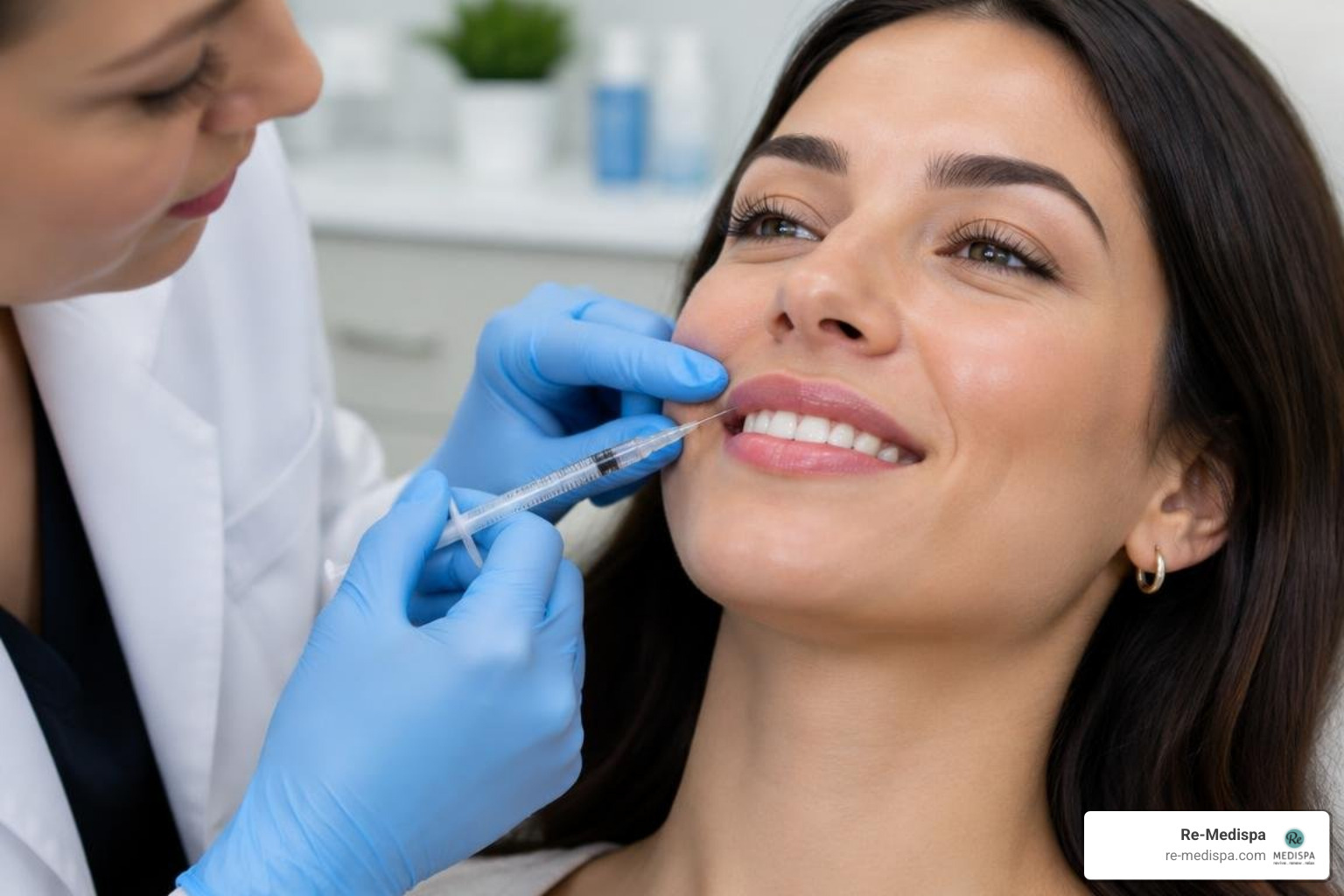
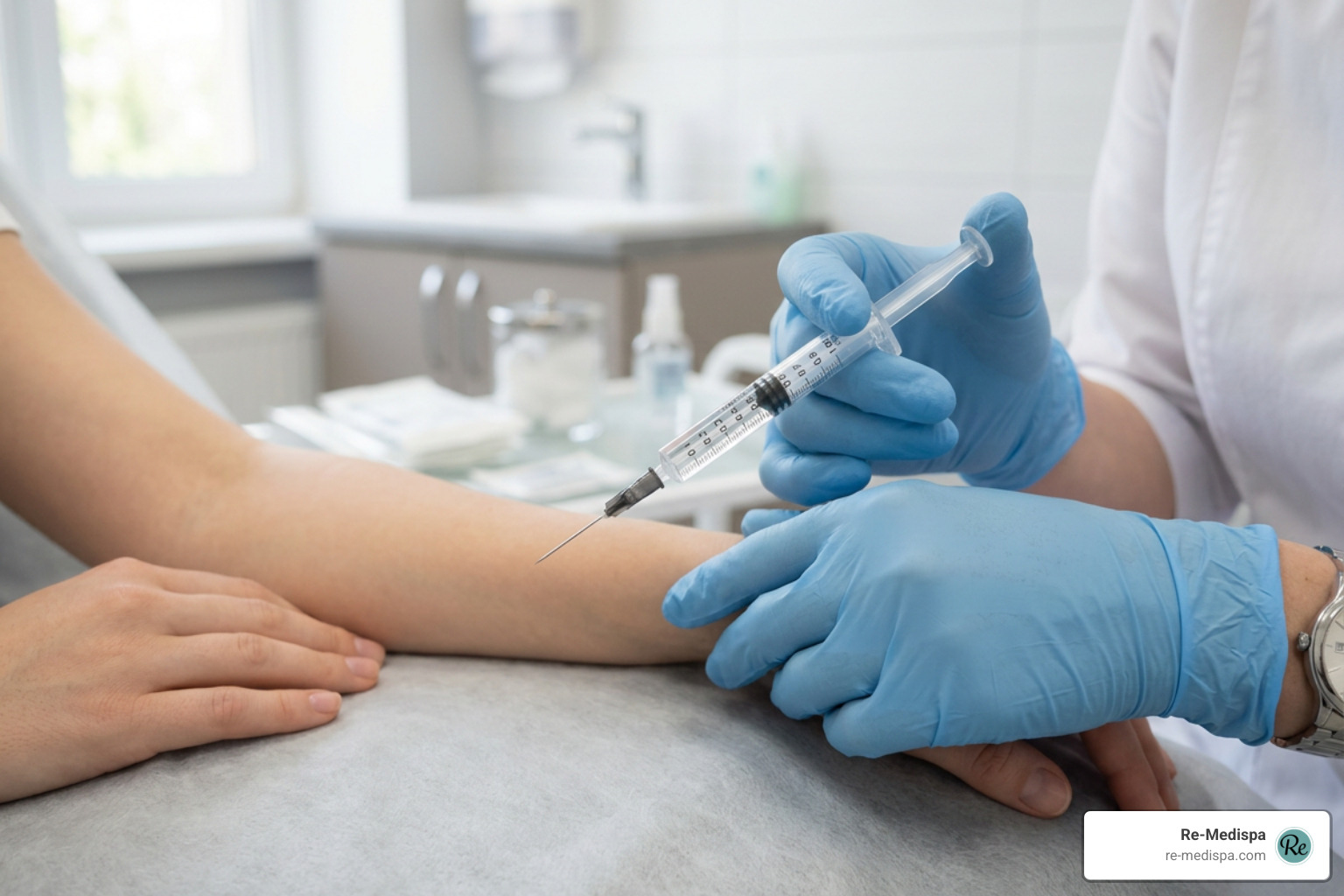
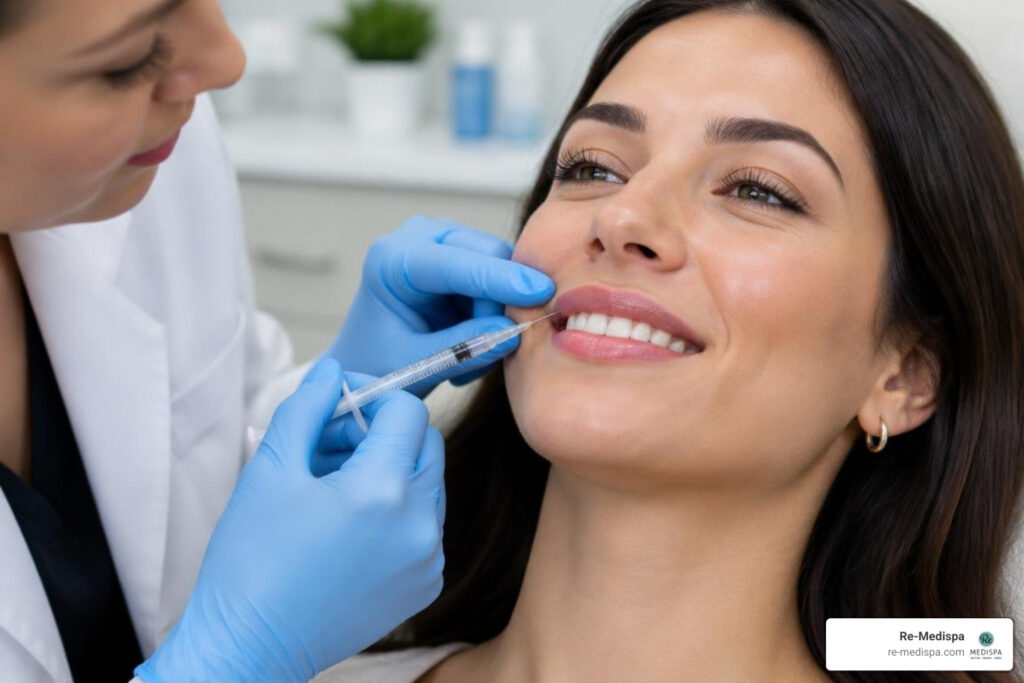
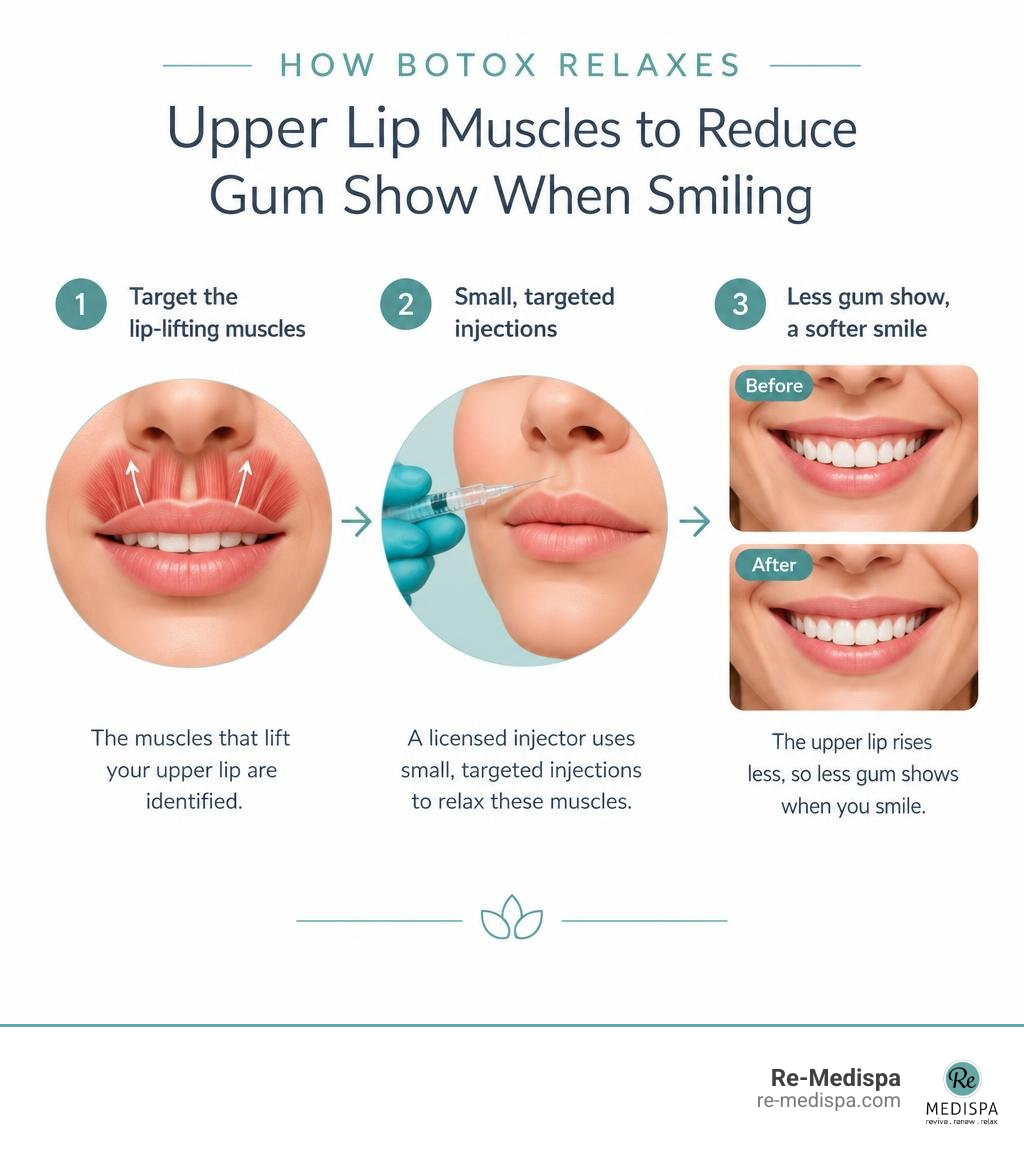
A licensed medical injector uses tiny, carefully placed micro-injections to relax the overactive elevator muscles that lift your lip. By calming this muscular pull, your upper lip rests comfortably over your teeth, revealing less gum display during natural facial expressions.
Most clients begin noticing a visible change within three to five days, with optimal results appearing within one to two weeks. The positive effect often lasts several months before muscle mobility gradually returns. Using Botox for a gummy smile is off-label, making a comprehensive professional assessment essential to determine whether dynamic muscular movement is the true primary cause. At Re-Medispa in Arlington Heights, you can consult with experienced licensed professionals to develop a personalized treatment plan tailored to your facial aesthetics.
Terms related to botox for gummy smile:
Understanding Excessive Gingival Display and Upper Lip Hypermobility
An aesthetically balanced smile generally reveals no more than two to three millimeters of upper gum tissue between the dental margin and the inferior border of the upper lip. When gum exposure exceeds this proportion during an unforced, broad smile, aesthetic clinicians classify the presentation as excessive gingival display.
Clinical studies indicate that gummy smiles affect between 10.5% and 29% of the adult population, occurring roughly twice as frequently in females compared to males. While displaying gum tissue is entirely harmless, many individuals seek subtle cosmetic refinement to feel more confident in social and professional settings.
Several distinct anatomical factors can contribute to excess gum exposure. Vertical maxillary excess involves an elongated skeletal development of the upper jaw bone, whereas altered passive eruption happens when gum margins fail to recede naturally during normal tooth emergence. However, one of the most frequent contributing drivers is dynamic upper lip hypermobility.
Reviewing an educational guide to upper lip neuromodulator outcomes helps explain how resting lip length, soft tissue volume, and muscular contraction work in harmony. When the dynamic elevator muscles contract too forcefully, they pull the upper lip higher than necessary.
A thorough diagnostic evaluation by a licensed practitioner differentiates whether your smile line stems primarily from bone architecture, dental proportions, or dynamic muscular activity. In a comprehensive systematic review of gummy smile therapeutic options, clinicians evaluate dynamic movement alongside static facial balance to match each patient with the most suitable treatment pathway.
How Botox for Gummy Smile Works to Relax Elevating Muscles
Botulinum toxin type A acts as a purified neuromodulator that temporarily interrupts chemical signaling between motor nerve endings and targeted facial muscles. When injected into the hyperactive elevator muscles of the upper lip, the neurotoxin cleaves SNAP-25, an essential presynaptic protein. This biological action halts the localized release of acetylcholine across the neuromuscular junction, leading to predictable muscle relaxation (Fatani, 2023).
By exploring the established mechanism of action for neuromodulators, patients can better understand how targeted chemical denervation operates safely without diminishing sensory feeling or numbing the skin. The resting position and resting lip posture remain completely natural, but the forceful upward excursion during a full smile is gently softened (Polo, 2008).
Target Muscle Anatomy and Botox for Gummy Smile Injection Points
Achieving predictable, natural results depends on meticulous anatomical targeting. The primary superficial muscle responsible for central upper-lip elevation is the levator labii superioris alaeque nasi (LLSAN), working in coordination with the levator labii superioris and the zygomaticus minor.
Experienced injectors frequently utilize the Yonsei point, a validated anatomical landmark located approximately one centimeter lateral to the nasal ala within the nasolabial fold. As highlighted in a peer-reviewed literature review on botulinum toxin for gummy smile, administering neurotoxin at this precise junction allows clinicians to modulate multiple converging elevator muscles through a single, accurate injection site per side (Gupta & Kohli, 2019).
Dosing Strategies and Multi-Point Injection Techniques
Every effective treatment plan relies on customized dosing established during a one-on-one consultation with a licensed injector. Reviewing professional neuromodulator dosage guidelines provides valuable perspective on how conservative unit allocation preserves facial balance and prevents over-weakening the perioral muscles.
Depending on whether excess gingival display is confined to the central teeth or extends broadly toward the premolars, injectors choose between a focused two-point or expanded four-point pattern. Clinical trials demonstrate that a four-point technique—addressing both the central LLSAN and lateral elevator fibers—creates harmonious balance for wide smiles. Men often possess greater facial muscle density and may benefit from slightly adjusted unit totals compared to women to produce an equivalent degree of relaxation.
Clinical Timeline, Expected Results, and Longevity
The therapeutic effect of botulinum toxin unfolds in a predictable, gradual sequence over several days. Initial muscle softening is typically noticeable within 3 to 5 days, with full reduction of gum exposure visible at 10 to 14 days post-injection (Fatani, 2023). Clinical assessments indicate that clients frequently experience an aesthetic 3 to 5 mm decrease in visible gingival tissue during dynamic smiling (Polo, 2008).
Perioral neuromodulator outcomes generally provide visible benefits lasting between 4 and 6 months before muscle strength gradually returns to baseline (Fatani, 2023). Exploring practical strategies to prolong neuromodulator results can assist you in maintaining refreshed smile aesthetics between regular maintenance visits. A landmark clinical study on neurotoxins for gummy smile confirmed consistent patient satisfaction, reliable safety, and predictable recovery patterns across diverse adult cohorts (Sonone et al., 2025).
Botox for Gummy Smile: Treatment Considerations
When exploring injectable aesthetic care, reviewing the clinical attributes of neuromodulator treatments helps establish realistic expectations regarding treatment duration, invasiveness, and daily lifestyle convenience.
| Clinical Parameter | Neuromodulator Injections (Botox) |
|---|---|
| Invasiveness | Minimally invasive micro-injections |
| Procedure Time | 10 to 15 minutes |
| Onset of Action | 3 to 14 days |
| Average Longevity | 4 to 6 months |
| Downtime | None; immediate return to daily routines |
| Primary Indication | Dynamic muscular hypermobility (LLSAN) |
| Reversibility | Fully reversible as protein metabolizes |
Candidacy and Limitations of Botox for Gummy Smile
Botox delivers excellent, visible refinement primarily for dynamic, muscular-driven gum show. If excessive gingival display originates from significant vertical maxillary skeletal excess or altered passive dental eruption, neuromodulators alone cannot alter bone structure or lengthen clinical tooth crowns. A licensed provider evaluates your anatomical structure to ensure your aesthetic goals match what non-surgical injectables can deliver.
Setting Expectations for Botox for Gingival Display
Because individual facial symmetry and dynamic muscle recruitment patterns differ, tailored treatment planning is paramount. A routine follow-up appointment around day 14 allows your injector to check muscular response, verify symmetry, and confirm that your upper lip rests gracefully over your teeth.
Safety Profile, Side Effects, and Contraindications
When performed by an experienced medical professional in a licensed clinical setting, neuromodulator injections for excessive gingival display maintain a dependable safety record. However, as with any medical aesthetic injection, mild and transient local reactions can occur. Common temporary side effects include minor pinpoint redness, localized tenderness, mild swelling, or tiny bruises at the injection points.
If the neurotoxin unintentionally diffuses into adjacent perioral muscles, temporary asymmetries, a subtle sensation of lip heaviness, or slight changes in pronouncing certain consonant sounds can occur. These mild effects are self-limiting and resolve naturally as the neuromodulator metabolizes. Reviewing our resource on what to expect during facial injectable treatments helps demystify the entire treatment and recovery process.
Contraindications for neuromodulator treatment include the following clinical factors:
- Pregnancy or active nursing
- Known hypersensitivity or allergy to botulinum toxin formulations or human albumin
- Pre-existing neuromuscular conditions such as myasthenia gravis, Lambert-Eaton syndrome, or ALS
- Active skin infection, cold sores, or acute inflammation near the planned injection sites
- Concurrent therapy with aminoglycoside antibiotics or medications that alter neuromuscular signaling
Frequently Asked Questions About Gummy Smile Injections
How many units of Botox are typically needed for a gummy smile?
Perioral dosing is conservative and personalized during your professional clinical consultation. Most patients receive modest amounts—typically between 2 to 5 units per side across 2 to 4 precise injection points—determined by individual muscle strength, facial anatomy, and aesthetic objectives. Treatment plans are always customized by your licensed provider.
Will Botox change my natural smile or make my face look frozen?
When administered by a skilled injector, your dynamic smile remains authentic, expressive, and natural. The clinical objective is not to paralyze the lip muscles, but rather to gently temper hyperactive elevation so your lip covers the gum line comfortably without altering your overall facial expressions.
How soon will I see results after treatment?
Initial muscle relaxation typically begins within 3 to 5 days following injection, with full aesthetic results establishing around day 10 to 14. Your aesthetic provider may recommend a brief follow-up around the two-week mark to evaluate symmetry and ensure your smile goals are achieved.
Achieving Your Ideal Smile at Re-Medispa
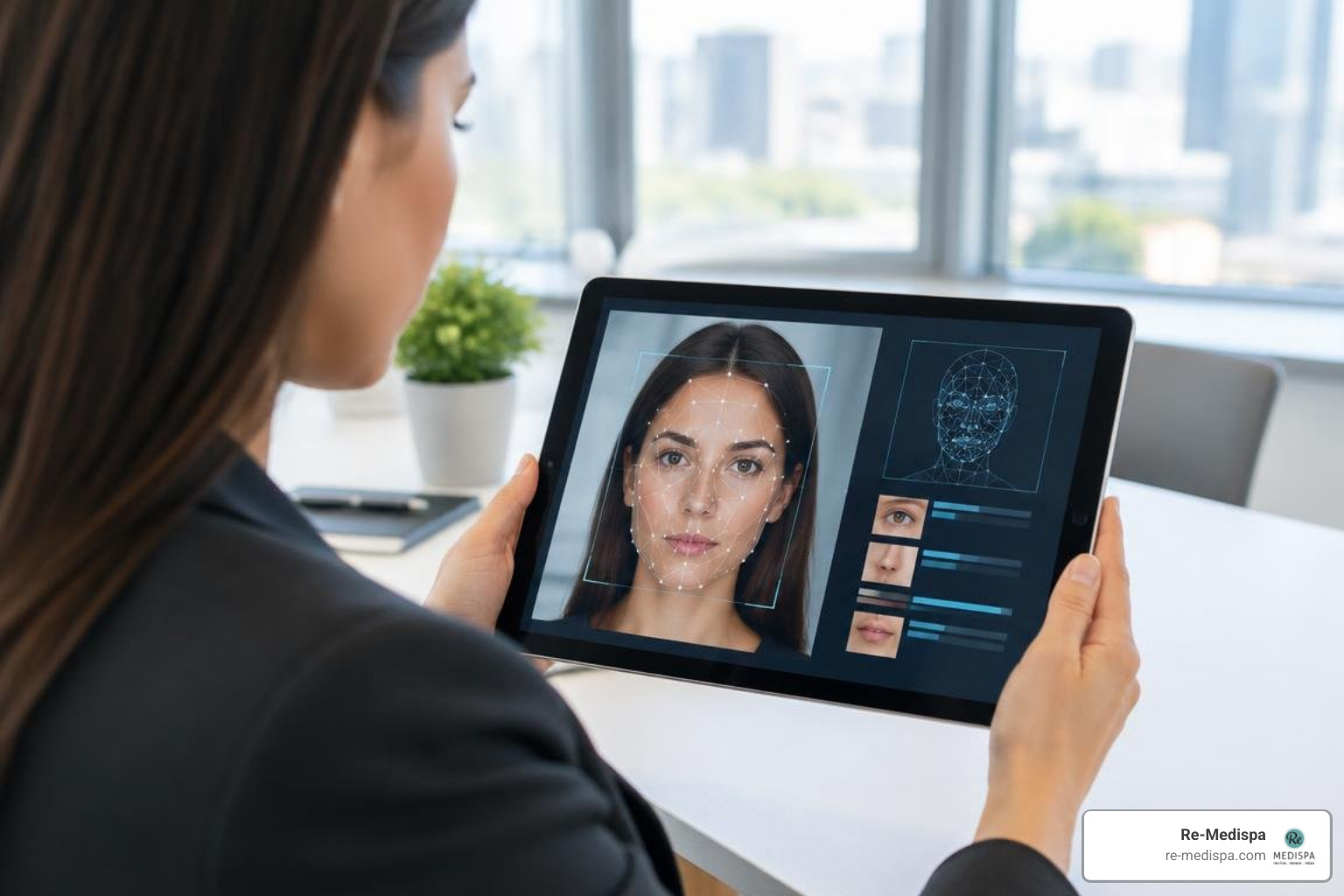
At Re-Medispa, Founder and Medical Director Renata Ciszek and our team of licensed aesthetic clinicians provide thoughtful, individualized care tailored to your distinctive facial harmony. We utilize an innovative AI preview tool during your consultation to help you visualize potential outcomes and explore our comprehensive selection of professional injectable treatments.
Whether you visit our main clinic in Arlington Heights at 37 S Evergreen Ave or our modern Harwood Heights location at 5128 N Harlem Ave, we proudly welcome clients from nearby communities including Mount Prospect, Palatine, and Park Ridge. Schedule your private consultation today to discover how a customized smile treatment can elevate your confidence and enhance your natural beauty.
References
Fatani B. “An Approach for Gummy Smile Treatment Using Botulinum Toxin A: A Narrative Review of the Literature..” Cureus, 2023. PMCID PMC9941039. Gupta N, Kohli S. “Evaluation of a Neurotoxin as an Adjunctive Treatment Modality for the Management of Gummy Smile..” Indian dermatology online journal, 2019. PMCID PMC6743383. Sonone TP, Soni VP, Patil CD, Shenava S, Mathew R, Gaonkar P. “Comparison of Effectiveness, Duration, and Patient’s Satisfaction of Botulinum Toxin A and Hyaluronic Filler in the Treatment of Gummy Smile: An in Vivo Study..” Journal of pharmacy & bioallied sciences, 2025. PMCID PMC12563404. Polo M. “Botulinum toxin type A (Botox) for the neuromuscular correction of excessive gingival display on smiling (gummy smile)..” American journal of orthodontics and dentofacial orthopedics : official publication of the American Association of Orthodontists, its constituent societies, and the American Board of Orthodontics, 2008. PMID 18249285.